


Mexico City Legislators Propose Holidays for Chinampas and Self-Built Neighborhoods
Translated from Spanish, summarized and contextualized by DistantNews.
TLDR
- Mexico City legislators proposed two new holidays: the Day of the Chinampero and the Day of the Self-Built City.
- The Day of the Chinampero, on November 30, aims to recognize and preserve the chinampa agricultural system as cultural and environmental heritage.
- The Day of the Self-Built City, on September 6, honors the social labor of collectives and citizens in developing the city, exemplified by the Pedregal de Santo Domingo neighborhood.
In a move that recognizes the deep historical and cultural roots of Mexico City, local legislators have put forth initiatives to establish two significant new holidays. The proposed "Día del Chinampero" on November 30 seeks to honor the enduring legacy of the chinampa system, a unique agricultural practice that has sustained communities and provided fresh food in the heart of the metropolis for centuries.
This initiative is not just about putting a date on the calendar, but about naming, because by doing so, we recognize and assume responsibility.
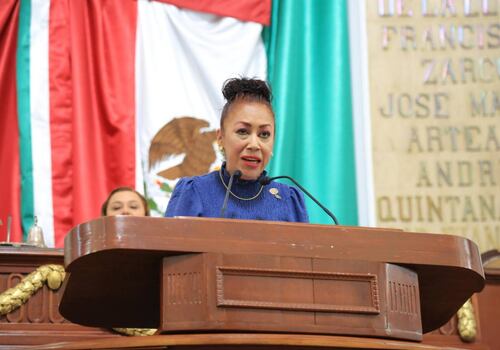
This initiative, championed by PVEM deputy Rebeca Peralta, is more than just a date on the calendar; it's an act of historical justice. It aims to bring visibility to the chinamperos and their vital role in preserving not only a cultural heritage but also an environmentally sustainable agricultural model. In an era grappling with climate change, the chinampa system, which thrives without heavy agrochemicals and conserves water, offers valuable lessons for modern urban agriculture and resilience.
Simultaneously, Morena legislator Paulo García has proposed September 6 as the "Día de la Ciudad Autoconstruida." This day would commemorate the collective efforts of citizens and organizations who have actively shaped Mexico City through self-organization and labor. The Pedregal de Santo Domingo neighborhood serves as a powerful example, transforming from a settlement of 10,000 families in 1971, built through communal 'faenas' (work parties), into a thriving community of nearly 110,000 residents.
November 30 as the Day of the Chinampero in Mexico City is not an empty gesture, it is an act of historical justice, it is telling those who have been invisible for too long that they matter, because chinampas are not a vestige of the past, they are a current solution, an agricultural system that does not depend on heavy agrochemicals, that drop by drop of water produces fresh food in the heart of one of the largest cities in the world, a system that even today gives us lessons on how to face climate change without having had to name it as such for centuries.
These proposals underscore a growing recognition within Mexico City's political sphere of the importance of grassroots movements and traditional practices. While international coverage might focus on rapid urbanization and modernization, these initiatives highlight a local perspective that values and seeks to preserve the historical, cultural, and social fabric that defines the city. It's a celebration of the people and practices that have literally built and sustained Mexico City.
Why do we propose September 6 specifically? With the purpose of paying homage to the neighborhood that is perhaps the paradigm neighborhood, the neighborhood that symbolizes the self-built city, which is Pedregal de Santo Domingo.
DistantNews Editorial
Originally published by El Universal in Spanish. Translated, summarized, and contextualized by our editorial team with added local perspective. Read our editorial standards.
More Stories

From Our Blog

What Press Freedom Means for the News You Read

What Gets Lost (and Found) When News Is Translated

The Critical Role of Diaspora Media in Global News

What Travellers Should Know About Countries with Restricted Press

A Digital Nomad's Guide to Following Local News
