

Mexico City Metro Line A Commuters Face 3-Hour Delays Due to Flooding
Translated from Spanish, summarized and contextualized by DistantNews.
At a glance
News
Named sources
Ongoing story
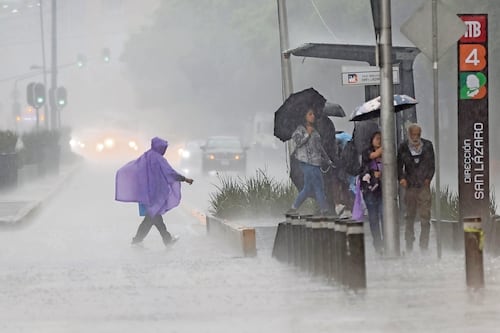
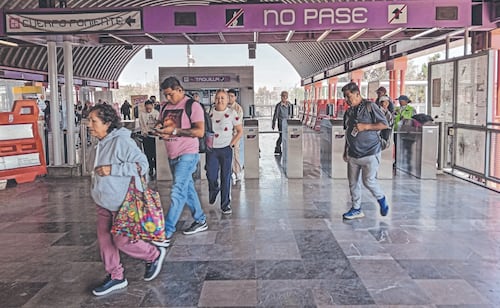
- Users of Metro Line A in Mexico City face travel delays of up to three hours when Calzada Ignacio Zaragoza floods during heavy rain.
- Inundations are a recurring problem, particularly near the Peñón Viejo station, forcing passengers to seek alternative routes.
- Authorities are constructing nine storm tanks along Calzada Ignacio Zaragoza to mitigate future flooding.
Commuters on Mexico City's Metro Line A are experiencing travel times that can stretch up to three hours whenever Calzada Ignacio Zaragoza floods during rainfall. What typically takes less than an hour can become an arduous journey, particularly affecting passengers trying to reach home.
Sergio, a regular user, described the situation near the Peñón Viejo station as a recurring problem. He noted that journeys normally taking 30 minutes can extend to two, two-and-a-half, or even three hours due to the persistent flooding. This disruption significantly impacts daily commutes for many residents.
Students and other passengers are consulting real-time traffic apps before leaving home to anticipate and potentially avoid these delays. However, for those living in areas like Chalco, mobility options are limited. The elevated trolleybus is often saturated, and other routes can become overcrowded or feel unsafe, leaving few viable alternatives.
Users like Francisco Mejía attribute the frequent flooding on Calzada Ignacio Zaragoza to the road's design, which acts like a channel accumulating water from the municipality of Nezahualcóyotl during intense storms. In response, the government is constructing nine storm tanks along the Calzada, specifically in the El Salado, Santa María Aztahuacán, and Peñón Viejo areas of Iztapalapa, to alleviate the flooding issues.
DistantNews Editorial
Originally published by El Universal in Spanish. Translated, summarized, and contextualized by our editorial team with added local perspective. Read our editorial standards.
More Stories

From Our Blog

What Press Freedom Means for the News You Read

What Gets Lost (and Found) When News Is Translated

The Critical Role of Diaspora Media in Global News

What Travellers Should Know About Countries with Restricted Press

A Digital Nomad's Guide to Following Local News
