


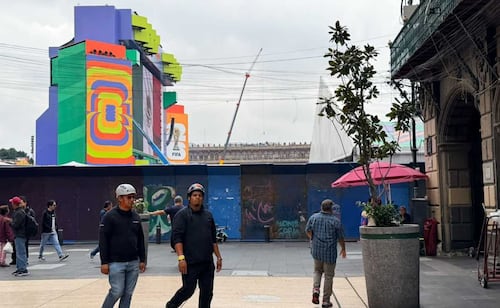
Mexico City World Cup preparations hampered by Zocalo security barriers
Translated from Spanish, summarized and contextualized by DistantNews.
At a glance
News
Named sources
Context piece
- Metal barriers surrounding Mexico City's Zocalo have disrupted mobility for tourists and locals just days before the 2026 World Cup begins.
- Tourists reported long walks to reach hotels due to controlled access points, impacting their experience in the historic center.
- The barriers were installed to manage a protest by the CNTE teachers' union, with plans to reduce their scope after an agreement with local businesses.
Mexico City's historic center is experiencing significant mobility disruptions due to metal barriers erected around the Zocalo, just days before the 2026 World Cup festivities are set to begin. The perimeter, established last week, features controlled access points on key streets, creating challenges for both domestic and international tourists attempting to reach their accommodations.
American tourists were observed struggling to navigate the barriers, with one expressing a need to "pass to the other side (of the fence) to get to my hotel." Another visitor described the necessity of walking "long distances" to reach her lodging as "very complicated and stressful."
These disruptions are not limited to foreign visitors. A couple from Coahuila, hoping to photograph the World Cup preparations at the Zocalo, had their limited three-hour layover impacted. They were forced to "surround the entire perimeter from behind (Palacio Nacional) to get to Madero," missing the chance to see the planned installations.
Security personnel from the Secretariat of Citizen Security (SSC) were directing confused tourists on how to exit the cordoned-off areas, advising them to "line up to cross." The barriers were initially expected to be reduced in scope following an agreement between the capital's government and protesting merchants. However, the ongoing presence of the CNTE protest has maintained the restrictions, affecting the flow of people and potentially impacting local businesses.
DistantNews Editorial
Originally published by El Universal in Spanish. Translated, summarized, and contextualized by our editorial team with added local perspective. Read our editorial standards.
More Stories
From Our Blog

What Press Freedom Means for the News You Read

What Gets Lost (and Found) When News Is Translated

The Critical Role of Diaspora Media in Global News

What Travellers Should Know About Countries with Restricted Press

A Digital Nomad's Guide to Following Local News
