

Mexico's Cartels Weaponize Drones with Improvised Explosives
Translated from Vietnamese, summarized and contextualized by DistantNews.
TLDR
- Mexican drug cartels, particularly CJNG, are increasingly using weaponized drones equipped with improvised explosive devices (IEDs).
- These drones, often modified commercial models, are used for surveillance and attacks, with cartels developing more sophisticated fragmentation warheads and even chemical payloads.
- The use of former Colombian military personnel to train cartel members in explosives and drone modification highlights the evolving and dangerous tactics employed by these organizations.
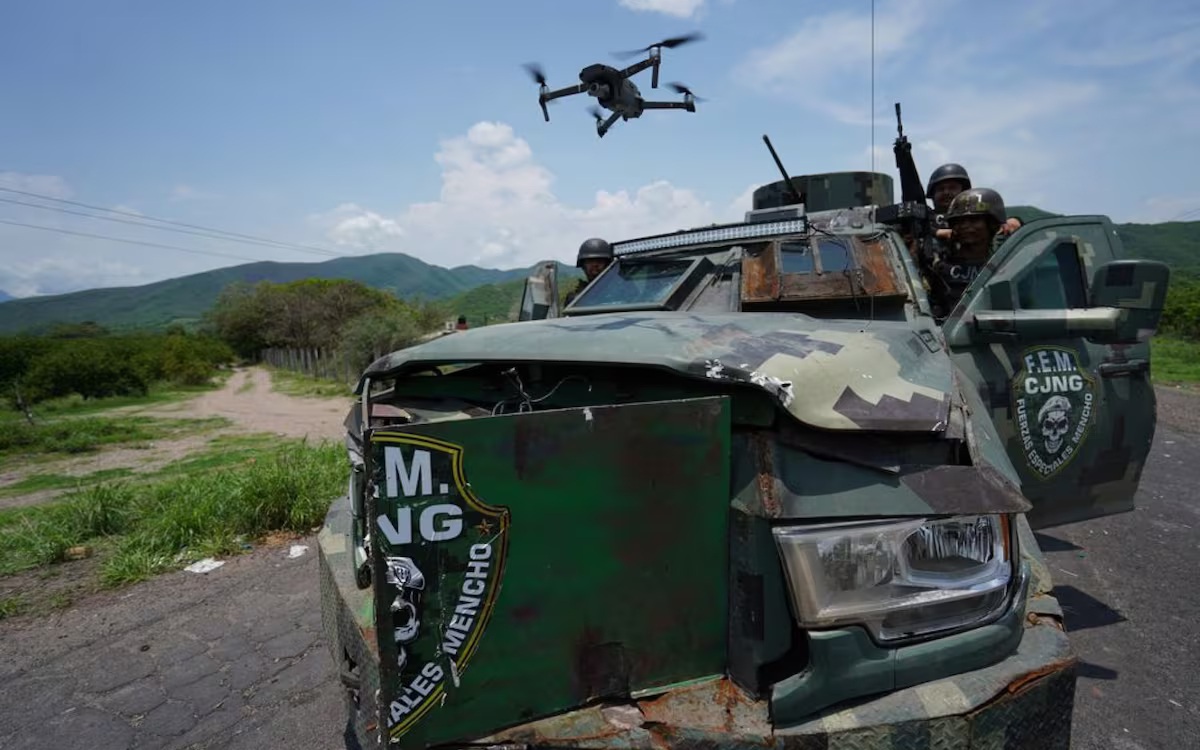
The escalating use of weaponized drones by Mexican cartels, particularly the Jalisco New Generation Cartel (CJNG), represents a disturbing new phase in their operational capabilities. These criminal organizations are no longer just trafficking drugs; they are weaponizing technology to project force and sow terror. The sight of CJNG units parading their drone capabilities, complete with insignia, underscores their quasi-military organization and ambition.
We have known about this unit since 2020.
Reports indicate that cartels have been modifying commercially available drones for over a decade, initially for smuggling and intelligence gathering. However, the evolution towards equipping these drones with improvised explosive devices, including C4 and fragmentation warheads, is a grave escalation. The sophistication of these devices, now designed for fragmentation and with increased explosive power, demonstrates a chilling adaptability and a willingness to innovate in lethal tactics.
They are fully equipped with tactical equipment, weapons, support vehicles, and GoPro cameras for recording.
The involvement of former Colombian military personnel in training cartel members in explosives and drone modification is particularly concerning. This influx of expertise suggests a deliberate effort by cartels to enhance their offensive capabilities beyond what was previously seen. The use of chemical agents in drone-dropped explosives, causing respiratory distress, further highlights the extreme and indiscriminate nature of their violence.
They usually use modified commercial drones such as the widely available DJI Mavic and Matrice, which can be easily adjusted to carry explosives.
While international coverage often focuses on the drug trade itself, the weaponization of technology by these cartels is a critical aspect that demands closer attention. From a Mexican perspective, this trend signifies a growing challenge to state security and public safety, where criminal groups operate with increasing military-like precision and destructive power. The ability of these cartels to produce their own explosives, leveraging chemical knowledge, further complicates efforts to control their armament.
The improvised explosive devices were later custom-designed for drones.
DistantNews Editorial
Originally published by Tuổi Trẻ in Vietnamese. Translated, summarized, and contextualized by our editorial team with added local perspective. Read our editorial standards.
More Stories

From Our Blog

What Gets Lost (and Found) When News Is Translated

The Critical Role of Diaspora Media in Global News

What Travellers Should Know About Countries with Restricted Press

A Digital Nomad's Guide to Following Local News

How the Same Story Looks Different in Different Countries
