

Mexico's media guidelines could threaten free speech, warns Human Rights Watch
Translated from Spanish, summarized and contextualized by DistantNews.
At a glance
News
Named sources
Context piece
- Human Rights Watch warns that Mexico's proposed guidelines on audience rights could threaten freedom of expression for independent media.
- The proposed regulations would grant the Telecommunications Regulatory Commission broad powers to oversee and penalize media outlets for disseminating "false," "decontextualized," or "outdated" information.
- HRW argues that while journalistic veracity is important, the state should not be the arbiter of media performance, citing international human rights principles.
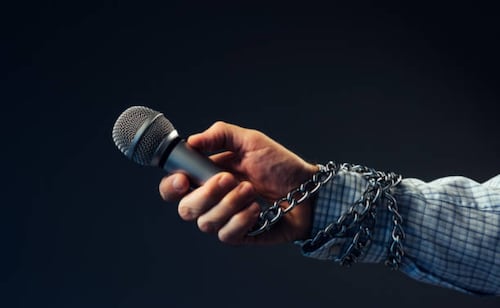
Human Rights Watch (HRW) has issued a strong warning regarding proposed government guidelines in Mexico concerning audience rights, asserting they could pose a significant threat to freedom of expression for independent media. The organization highlighted a draft regulation presented on July 28, which would empower the Telecommunications Regulatory Commission with extensive authority to monitor and penalize media outlets it deems to be spreading "false," "decontextualized," or "outdated" information.
Under the proposed rules, the Commission could potentially overturn decisions made by audience advocates and impose fines equivalent to 1% of a media organization's cumulative annual income if found in violation. Jorge Peniche, an HRW researcher, stated, "Veracity is a fundamental pillar of responsible journalism, but the government should not be the one deciding if the media is doing its job correctly." HRW urges the Mexican government to revise these guidelines to ensure they do not impede freedom of expression or the work of independent media.
Furthermore, HRW questioned the independence of the Telecommunications Regulatory Commission, noting its operation under the Agency of Digital Transformation and Telecommunications, a body that holds the rank of a state secretariat and is part of the executive branch. The organization referenced Mexico's commitments to international agreements, including the International Covenant on Civil and Political Rights and the American Convention on Human Rights, which protect the right to seek, receive, and disseminate information and ideas. It also cited the Inter-American Commission on Human Rights' Declaration of Principles on Freedom of Expression, which deems prior conditions related to veracity, timeliness, or impartiality of information incompatible with freedom of expression.
HRW expressed concern that these proposed norms could be misused to pressure or penalize independent journalism, creating a chilling effect regardless of the authorities' stated intentions. This discussion unfolds against a backdrop where officials, such as Luisa María Alcalde, have used public platforms to accuse journalists and media outlets of participating in "coordinated efforts" to spread "fake news."
Veracity is a fundamental pillar of responsible journalism, but the government should not be the one deciding if the media is doing its job correctly.
DistantNews Editorial
Originally published by El Universal in Spanish. Translated, summarized, and contextualized by our editorial team with added local perspective. Read our editorial standards.
More Stories

From Our Blog

What Press Freedom Means for the News You Read

What Gets Lost (and Found) When News Is Translated

The Critical Role of Diaspora Media in Global News

What Travellers Should Know About Countries with Restricted Press

A Digital Nomad's Guide to Following Local News
