

Mexico's World Cup Matches Drive Up Sales in Corner Stores
Translated from Spanish, summarized and contextualized by DistantNews.
TLDR
- Mexico's World Cup matches significantly boost sales in traditional retail channels, with average ticket prices increasing by up to 22%.
- Categories like beer, soft drinks, and snacks see the highest consumption, influenced by match schedules and tournament stages.
- The 2026 World Cup, co-hosted by Mexico, is expected to further stimulate demand in these sectors and benefit the retail landscape.
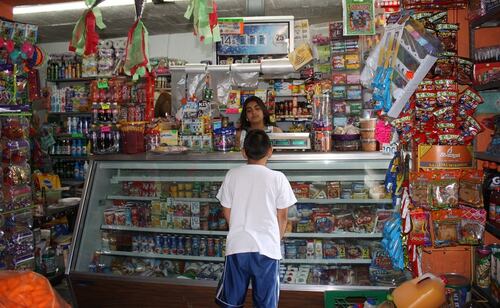
The roar of the crowd isn't just on the field; it's echoing in Mexico's corner stores and small shops. As the Mexican national team competes in the World Cup, a familiar and vibrant pattern emerges: sales in the traditional retail channel surge, with NielsenIQ data revealing average ticket prices jumping as much as 22% during matches. This isn't just a casual uptick; it's a significant economic pulse tied directly to national pride and shared viewing experiences.
Our analysis, drawing from World Cups past, consistently shows a predictable consumer behavior. Beer, soft drinks, and snacks become the stars of the show, their sales climbing in tandem with the team's performance and the timing of the games. Whether it's a Sunday quarter-final in South Africa 2010 or a crucial match against Argentina in Qatar 2022, these 'tienditas' transform into essential hubs for fans gathering to watch, cheer, and, of course, consume. This phenomenon highlights the deep integration of major sporting events into the daily commercial fabric of Mexico.
The World Cup is not only the most anticipated sporting event in the country; it is also one of the most consistent engines of commercial behavior.
Looking ahead to the 2026 World Cup, where Mexico will share hosting duties, the anticipation is palpable. The expectation is not just for a celebration of sport but for a sustained boost to the economy, particularly within the traditional retail sector. As one analyst noted, the World Cup is more than just a sporting event; it's a consistent driver of commercial behavior, a catalyst for consumption, and a unique window into the real pulse of the Mexican consumer. This makes it a strategic period for retailers to connect with their customers.
From a Mexican perspective, these World Cup-driven sales are a testament to the unifying power of 'El Tri' and the enduring importance of the neighborhood store. While international coverage might focus on the global spectacle, we see how it directly translates into tangible economic benefits for small businesses and a strengthening of community bonds, as families and friends gather around the television, their local shop providing the essential refreshments. It’s a uniquely Mexican phenomenon where national passion fuels local commerce.
Its ability to activate consumption, transform routines, and detonate coexistence makes it a strategic window for any retail player looking to anticipate and capitalize on the real pulse of the Mexican consumer.
DistantNews Editorial
Originally published by El Universal in Spanish. Translated, summarized, and contextualized by our editorial team with added local perspective. Read our editorial standards.
More Stories
From Our Blog

What Press Freedom Means for the News You Read

What Gets Lost (and Found) When News Is Translated

The Critical Role of Diaspora Media in Global News

What Travellers Should Know About Countries with Restricted Press

A Digital Nomad's Guide to Following Local News
