


Michał Syska: September 1, 1939, a Warning to Future Generations
Translated from Polish and summarized by DistantNews. Read the original for the full story.
At a glance
Opinion
Named sources
Context piece
- Michał Syska reflects on Nazi Germany’s September 1, 1939, invasion of Poland and the war’s lasting trauma across generations.
- Testimonies from survivors, including former Ravensbrück prisoner Janina Iwańska, are presented as both historical evidence and a warning against renewed hatred.
- Syska argues that remembrance should support reconciliation between Poland and Germany rather than fuel nationalist and anti-German resentment.
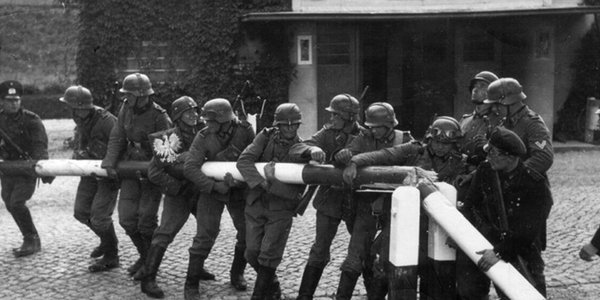
The September 1, 1939, invasion of Poland by Nazi Germany began what Michał Syska calls the most terrible armed conflict in history. Its suffering, deaths and destruction continue to shape generations more than eight decades later.
When I first came in 1959 to unveil this beautiful monument in Ravensbrück, I was full of hatred, grief and anger toward the Germans. When we traveled by bus from East Berlin, ordinary Germans in both the eastern part and West Berlin hated us too. They threatened us with their fists and threw stones at us, although we had done the Germans no harm.
As the number of surviving participants and witnesses declines, their personal accounts have become increasingly important to collective memory. Syska presents those testimonies as more than records of occupation. They also carry a warning that the “hell of war” must never return and that painful history should not block reconciliation between nations.
One such testimony came from Janina Iwańska, a former prisoner of the Ravensbrück concentration camp. Speaking at this year’s commemoration of the camp’s liberation, she recalled arriving at a memorial ceremony in 1959 filled with hatred, grief and anger toward Germans. She said Germans in both East and West Berlin also hated the Polish visitors, threatening them with their fists and throwing stones, despite the visitors having done them no harm.
Now I have friends in all these places, and I go to ceremonies as if I were meeting friends. There is no hostility between us anymore, and friendship is even flourishing. I would like all nations that are hostile to one another to become friends, just as I have with the Germans.
Iwańska described a very different relationship today: “Now I have friends in all these places, and I go to ceremonies as if I were meeting friends. There is no hostility between us anymore, and friendship is even flourishing.” She said she wanted hostile nations to become friends in the same way.
I think the time has come for us to forgive each other, as neighbors do. Let us be good neighbors. Together we have the strength to stop Russia.
Syska warns against allowing such memories to be drowned out by extremist politicians who use wartime crimes to awaken nationalist impulses and strengthen anti-German resentment. He also cites the late Warsaw Uprising veteran Wanda Traczyk-Stawska, who urged Poles and Germans to forgive each other as neighbors and work together to stop Russia. Iwańska’s closing wish was that war would remain only a memory in books and museums, while memorial sites would preserve remembrance and honor for those forced to live or die in the camps.
May war be only a memory in books and museums, and may the memorial sites of the concentration camps serve as warnings, places of remembrance and honor for those who had to live or die there. I wish the present generation never has to experience war, but lives in peace and enjoys the joys of life.
About this summary
Originally published by Rzeczpospolita in Polish. Translated, summarized, and contextualized automatically by DistantNews, with a note on how the source frames the story. Not individually reviewed before publishing. How this works.
More Stories

From Our Blog

What Gets Lost (and Found) When News Is Translated

The Critical Role of Diaspora Media in Global News

What Travellers Should Know About Countries with Restricted Press

A Digital Nomad's Guide to Following Local News

How the Same Story Looks Different in Different Countries
