


Middle East Escalates: US Strikes Continue for 12th Day as Iran and Houthis Vow 'Eye for an Eye'
Translated from Korean, summarized and contextualized by DistantNews.
At a glance
News
Named sources
Ongoing story
- The United States conducted its 12th consecutive day of airstrikes against Iranian targets, with Iran vowing to retaliate by attacking energy and infrastructure facilities across the Middle East if attacks continue.
- Houthi rebels in Yemen, aligned with Iran, attacked two oil tankers in the Red Sea, escalating regional tensions.
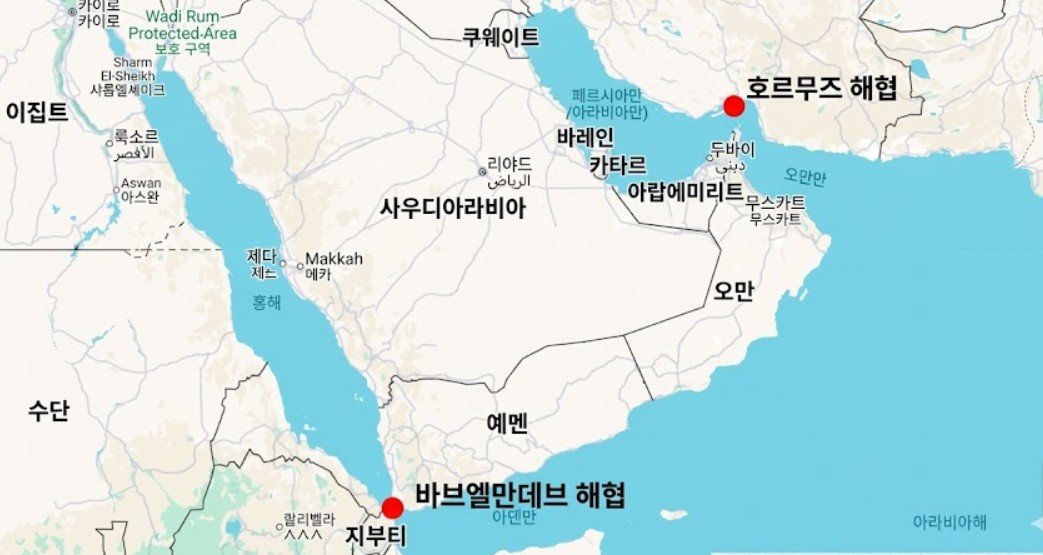
- The escalating conflict raises concerns about potential disruptions to global oil supply and the stability of key shipping routes like the Strait of Hormuz and the Bab el-Mandeb Strait.
The United States continued its aerial campaign against Iran for the 12th day, striking military targets in response to perceived threats. Iran, however, issued a stark warning: any further American attacks would be met with retaliatory strikes on energy and infrastructure across the Middle East, signaling a dangerous escalation.
If Iran attacks ships in the Strait of Hormuz, we will destroy bridges or power plants in Iran.
Adding to the regional instability, Yemen's Houthi rebels, backed by Iran, launched attacks on two oil tankers in the Red Sea. The Houthis claimed to target Saudi Arabian vessels, intensifying fears of a wider conflict impacting crucial global trade routes. The Bab el-Mandeb Strait, a vital chokepoint for oil transport, is now under increased scrutiny following these incidents.
The equation of this war is clear. It is all or nothing. If we cannot sell oil, then no one will be able to sell oil.
This escalating cycle of strikes and threats has significant implications for global energy markets. The Strait of Hormuz and the Red Sea are critical arteries for oil transportation. Any disruption could lead to severe supply shortages and further volatility in oil prices, creating a "no-win" situation for global logistics, according to analysts.
Our defense doctrine is clear. An eye for an eye.
Amidst the military actions, there are also reports suggesting potential Russian involvement. U.S. intelligence agencies are reportedly investigating the possibility that Russia provided Iran with targeting information and advanced drone technology, adding another layer of complexity to the already volatile Middle Eastern landscape.
The operation aims to further degrade Iran's ability to threaten civilian mariners and merchant ships in regional waters.
DistantNews Editorial
Originally published by Hankyoreh in Korean. Translated, summarized, and contextualized by our editorial team with added local perspective. Read our editorial standards.
More Stories


From Our Blog

What Gets Lost (and Found) When News Is Translated

The Critical Role of Diaspora Media in Global News

What Travellers Should Know About Countries with Restricted Press

A Digital Nomad's Guide to Following Local News

How the Same Story Looks Different in Different Countries
