

Middle East Escalation: U.S. Strikes Iran Amid Strait of Hormuz Tensions
Translated from Polish, summarized and contextualized by DistantNews.
At a glance
News
Sources not specified
Ongoing story
- Tensions escalated in the Middle East after Iran halted negotiations with the U.S. and attacked three commercial ships in the Strait of Hormuz.
- In response, Donald Trump announced the end of a temporary agreement with Tehran, the reinstatement of sanctions on Iranian oil exports, and planned airstrikes on Iran.
- The rising tensions impacted financial markets, pushing Brent crude oil prices above $80 per barrel and raising concerns about potential inflationary pressure and disruptions to global oil transport.
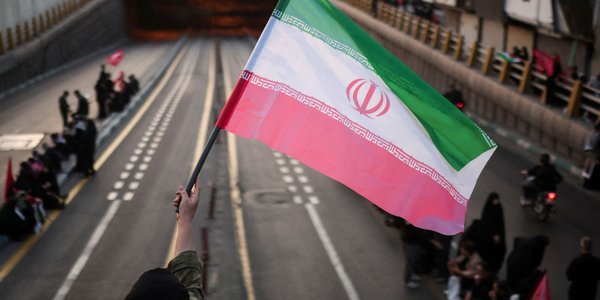
The Middle East is experiencing a sharp escalation in tensions following Iran's decision to halt negotiations with the United States and subsequent attacks on commercial vessels in the Strait of Hormuz. The incidents involved three ships, including a Qatari gas tanker and a Saudi supertanker.
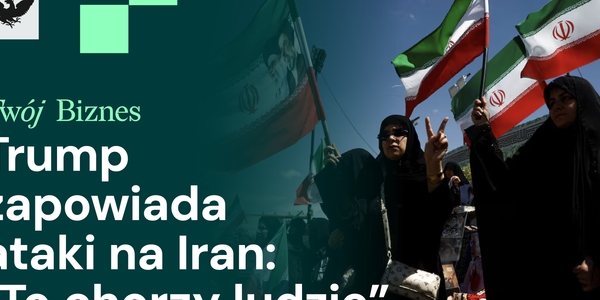
In a decisive response, U.S. President Donald Trump declared an end to the temporary agreement with Tehran. He also announced the reimposition of sanctions on Iran's oil exports and threatened airstrikes on targets within Iran. This move signals a significant hardening of U.S. policy towards Iran.
The geopolitical instability has had an immediate effect on global financial markets. The price of Brent crude oil surged past $80 per barrel as investors began to factor in the risk of disruptions to one of the world's most critical oil shipping routes. A prolonged conflict could lead to increased inflationary pressures, higher fuel costs, and potentially greater revenues for Russia from its energy exports, which could indirectly fund its war in Ukraine.
Separately, the podcast "Twój Biznes" also touched upon other economic topics. Piotr Mazurkiewicz's report in "Rzeczpospolita" highlighted that the share of online sales in Polish retail trade grew to 9.1% in 2025, still significantly below the European average of over 17%, indicating substantial room for growth in the Polish e-commerce market. Despite a slowing growth rate post-pandemic, the market's prospects remain strong, supported by extensive parcel locker networks and efficient electronic payment systems like BLIK.
Additionally, UniCredit has increased its stake in Commerzbank to over 47%, awaiting European Central Bank approval to finalize the acquisition. Meanwhile, the European Commission is considering proposals to ease the Emissions Trading System (ETS) by slowing the withdrawal of free CO2 emission allowances for industry, responding to pressure from European businesses. Analysts at Trigon Dom Maklerski have updated their stock recommendations, favoring companies like Allegro and Budimex among large caps, and Benefit Systems, Cyfrowy Polsat, and XTB among mid-caps, while cautioning about potential pressure on stocks like Dino and mBank.
DistantNews Editorial
Originally published by Rzeczpospolita in Polish. Translated, summarized, and contextualized by our editorial team with added local perspective. Read our editorial standards.
More Stories


From Our Blog

What Gets Lost (and Found) When News Is Translated

The Critical Role of Diaspora Media in Global News

What Travellers Should Know About Countries with Restricted Press

A Digital Nomad's Guide to Following Local News

How the Same Story Looks Different in Different Countries
