

Mild winter won't stop Poland's blood-sucking insects; rain is the key factor
Translated from Polish, summarized and contextualized by DistantNews.
At a glance
News
From a news agency
Context piece
- Poland's mild winter has not significantly reduced mosquito and midge populations, as insects have effective survival strategies against cold.
- The proliferation of these blood-feeding insects depends more on summer rainfall and standing water, which are crucial for their reproduction.
- While mosquitoes and midges are well-known nuisances, other biting flies like the horsefly and the lesser housefly also pose problems, with their populations influenced by humidity and water availability.
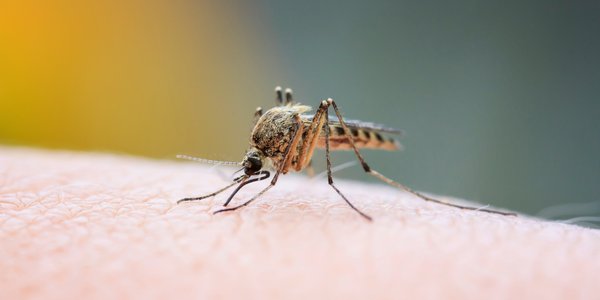
Despite a mild winter in Poland, experts do not anticipate an extreme plague or a significant drop in the numbers of mosquitoes and midges. Professor Stanisław Ignatowicz explains that insects possess highly effective survival mechanisms, including the ability to find shelter and produce natural antifreeze substances within their bodies. These adaptations allow most insects to endure winter conditions, regardless of how cold it is.
For many blood-feeding insects, the presence of water or a moist environment is crucial.
Instead of winter temperatures, the key factor for insect reproduction this summer will be rainfall. "For many blood-feeding insects, the presence of water or a moist environment is crucial," Ignatowicz states. Mosquitoes thrive in stagnant water, while midges require flowing water. A dry summer can severely limit the breeding success of many species, posing a greater challenge than cold weather.
If the summer is dry, many species have trouble reproducing.
Beyond the commonly known mosquitoes and midges, a variety of other biting insects can trouble people and animals. The lesser housefly, for instance, delivers a painful bite that often prompts an immediate swat. The horsefly, a relative of the deer botfly and cleg, becomes particularly active before thunderstorms, as humid conditions favor its reproduction in the soil and the survival of its next generation.
Its name is very apt: when it bites, it hurts so much that a person instinctively wants to swat it.
DistantNews Editorial
Originally published by Rzeczpospolita in Polish. Translated, summarized, and contextualized by our editorial team with added local perspective. Read our editorial standards.
More Stories

From Our Blog

What Gets Lost (and Found) When News Is Translated

The Critical Role of Diaspora Media in Global News

What Travellers Should Know About Countries with Restricted Press

A Digital Nomad's Guide to Following Local News

How the Same Story Looks Different in Different Countries
