


Ministry of Public Security proposes criminal prosecution for companies that bribe | Thanh Niên (VN)
Translated from Vietnamese, summarized and contextualized by DistantNews.
At a glance
News
Official statement
New plan
- Vietnam's Ministry of Public Security proposes criminal liability for commercial entities involved in bribery.
- The current law only holds individuals responsible for bribery offenses.
- The proposal includes fines up to 20 billion VND and potential business suspension for corporate bribery.
Vietnam's Ministry of Public Security is proposing to extend criminal liability for bribery to commercial entities, a significant shift from the current law which only penalizes individuals. This move aims to address corporate involvement in bribery, including offering bribes to foreign officials or individuals in positions of authority within non-state organizations.
Under the proposed amendments to the Penal Code, commercial entities found guilty of bribery could face fines of up to 20 billion VND (approximately $800,000 USD), with the possibility of temporary or permanent business suspension. The ministry also suggests adding 19 new offenses for which commercial entities can be held criminally responsible, expanding the current list of 33 offenses. These new offenses would focus on areas such as tax, finance, banking, securities, insurance, and land, as well as crimes against computer networks and telecommunications.
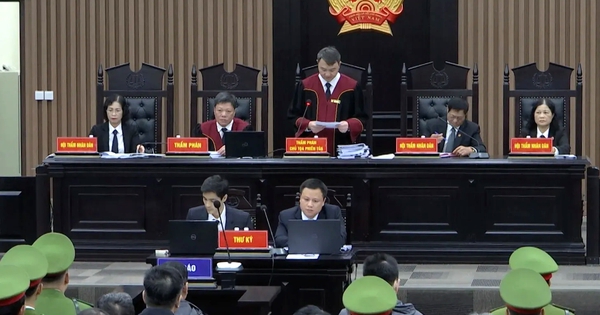
The ministry highlighted that these expansions are necessary due to frequent violations by commercial entities, often using shell companies or complex corporate structures to obscure financial flows, evade responsibility, and legitimize illicit gains. The proposal cites examples like the Van Thinh Phat case, where a group used multiple companies to issue bonds and raise significant funds, and the prevalence of loan sharking and online lending schemes operating under the guise of financial consulting firms.
In addition to expanding the scope of criminal offenses, the draft law also proposes new principles for handling criminal cases involving commercial entities. It emphasizes prioritizing economic remedies and restorative measures before resorting to criminal prosecution. The draft also seeks to remove the penalty of prohibiting capital raising for entities convicted of certain crimes, suggesting a focus on economic consequences rather than outright bans on financial activities.
DistantNews Editorial
Originally published by Thanh Niên in Vietnamese. Translated, summarized, and contextualized by our editorial team with added local perspective. Read our editorial standards.
More Stories


From Our Blog

What Gets Lost (and Found) When News Is Translated

The Critical Role of Diaspora Media in Global News

What Travellers Should Know About Countries with Restricted Press

A Digital Nomad's Guide to Following Local News

How the Same Story Looks Different in Different Countries
