

Mixed-Use Developments Gain Traction as Consumers Seek Enhanced Experiences
Translated from Polish, summarized and contextualized by DistantNews.
TLDR
- A JLL report indicates 73% of consumers prefer mixed-use complexes, with 69% willing to pay more for enhanced shopping experiences.
- Successful mixed-use developments prioritize social function, sustainable design, and flexibility, focusing on community needs and user experience.
- Investors and developers are shifting towards user-centric strategies, creating destinations that meet evolving needs and offer long-term value.
The Polish real estate market is embracing a significant shift, moving beyond traditional retail spaces to embrace mixed-use developments. A recent JLL report, drawing on global consumer insights, highlights a strong preference among shoppers for integrated spaces that offer more than just commerce. Consumers, it turns out, are seeking experiences, comfort, and a sense of community, with a majority willing to pay a premium for these enhanced environments.
Customers visiting commercial facilities expect comfortable, safe, and easy-to-navigate spaces. As many as 73% of respondents prefer multifunctional complexes, and 69% declare their willingness to pay more for the same products if the place of purchase provides them with better experiences.
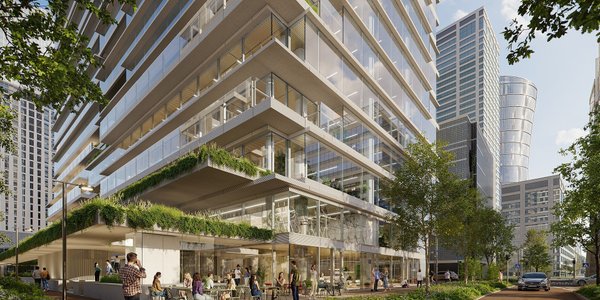
This trend underscores a fundamental change in how people interact with urban spaces. It's no longer enough to simply provide goods; developers must now curate destinations. The report emphasizes three pillars for success: social function, exemplified by communal areas and green spaces that foster interaction; sustainable design, considering environmental impact and transport accessibility; and flexibility, allowing spaces to adapt to future needs. This holistic approach is crucial for creating properties that resonate with local communities and offer lasting value.
The sense of security, comfort, belonging, and access to amenities shapes the way people experience the city, both during and after work.
For investors and developers in Poland, this means a strategic pivot. User experience is now a measurable metric, influencing every stage from planning to execution. The goal is to craft environments that are not only attractive today but also resilient to future changes. Questions about a development's ability to draw visitors at all hours, its integration of social and green spaces, and its responsiveness to local needs are paramount. This user-centric philosophy is already visible in Poland, with projects like Browary Warszawskie in Warsaw demonstrating this forward-thinking approach. As JLL experts note, listening to data, communities, and local conditions is becoming the key competitive advantage for developers aiming to create urban spaces that delight and endure.
As many as 66% of respondents declare a strong attachment to their local community, which indicates a gap that well-designed investments can fill.
DistantNews Editorial
Originally published by Rzeczpospolita in Polish. Translated, summarized, and contextualized by our editorial team with added local perspective. Read our editorial standards.
More Stories
From Our Blog

What Gets Lost (and Found) When News Is Translated

The Critical Role of Diaspora Media in Global News

What Travellers Should Know About Countries with Restricted Press

A Digital Nomad's Guide to Following Local News

How the Same Story Looks Different in Different Countries
