


Mount Anak Krakatau erupts: Five ways to protect yourself from volcanic ash
Translated from Indonesian and summarized by DistantNews. Read the original for the full story.
At a glance
Explainer
Sources not specified
Ongoing story
- Mount Anak Krakatau has experienced continuing eruptions since September 4 and remained at Alert Level III on September 7.
- Authorities warn of hazards including incandescent material, lava flows and ashfall, while residents should follow evacuation orders and move to higher ground near rivers if water levels rise.
- Guidance includes staying indoors when instructed, closing windows and doors, protecting the eyes and airways, and monitoring roofs for heavy wet ash.
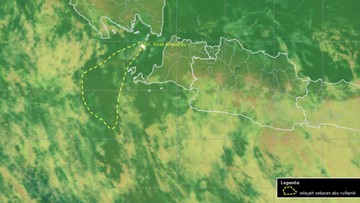
Mount Anak Krakatau has drawn renewed attention after erupting continuously for several days. The activity began on September 4 and lasted for about 25 hours, accompanied by the possibility of incandescent material, lava flows and volcanic ash. As of Monday, September 7, the volcano remained at Level III, or Alert.
The guidance for residents begins with a direct instruction: leave immediately if authorities order an evacuation. People in the path of lava, lahars or pyroclastic flows should not delay. Those evacuating by vehicle should keep doors and windows tightly closed, avoid roads near hazardous areas and remain alert to changing conditions caused by volcanic material.
Residents near rivers also face danger because flowing water can carry volcanic debris and trigger lahars or mudslides. If water levels begin to rise, they should move to higher ground.
When authorities advise people to shelter, staying inside can reduce exposure to ash. Doors and windows should remain closed, along with chimney covers if available. Fans and cooling or heating systems that draw outside air indoors should be turned off. Pets and livestock should also be moved into enclosed spaces.
Volcanic ash can irritate the eyes, nose and throat and disrupt breathing. Anyone who must go outside should wear long sleeves and long trousers, use protective eyewear and consider a particulate respirator such as an N95. Residents should continue monitoring official updates, since prolonged ashfall can build up on roofs. Wet ash can become extremely heavy and damage structures.
About this summary
Originally published by Tempo in Indonesian. Translated, summarized, and contextualized automatically by DistantNews, with a note on how the source frames the story. Not individually reviewed before publishing. How this works.
More Stories


From Our Blog

News in Translation: What Gets Lost, and How We Keep the Framing

Diaspora Media: How Communities Follow News From Home

Traveling Where the Press Is Not Free: How to Read the News There

The Digital Nomad's Guide to Local News

The Same Story, Different Countries: How Coverage Changes at the Border
