


Mud volcano eruption causes panic in Colombia's Urabá region; livestock at risk
Translated from Spanish, summarized and contextualized by DistantNews.
At a glance
News
Sources not specified
Ongoing story
- A mud volcano in San Pedro de Urabá, Antioquia, Colombia, erupted unexpectedly, spewing mud, gas, and water.
- The eruption covered pastures and affected livestock, with dozens of cattle reportedly trapped in the mud.
- Emergency services are assessing the situation, and while no human injuries are confirmed, the event has caused panic and agricultural damage, reviving memories of a similar eruption in 2024.
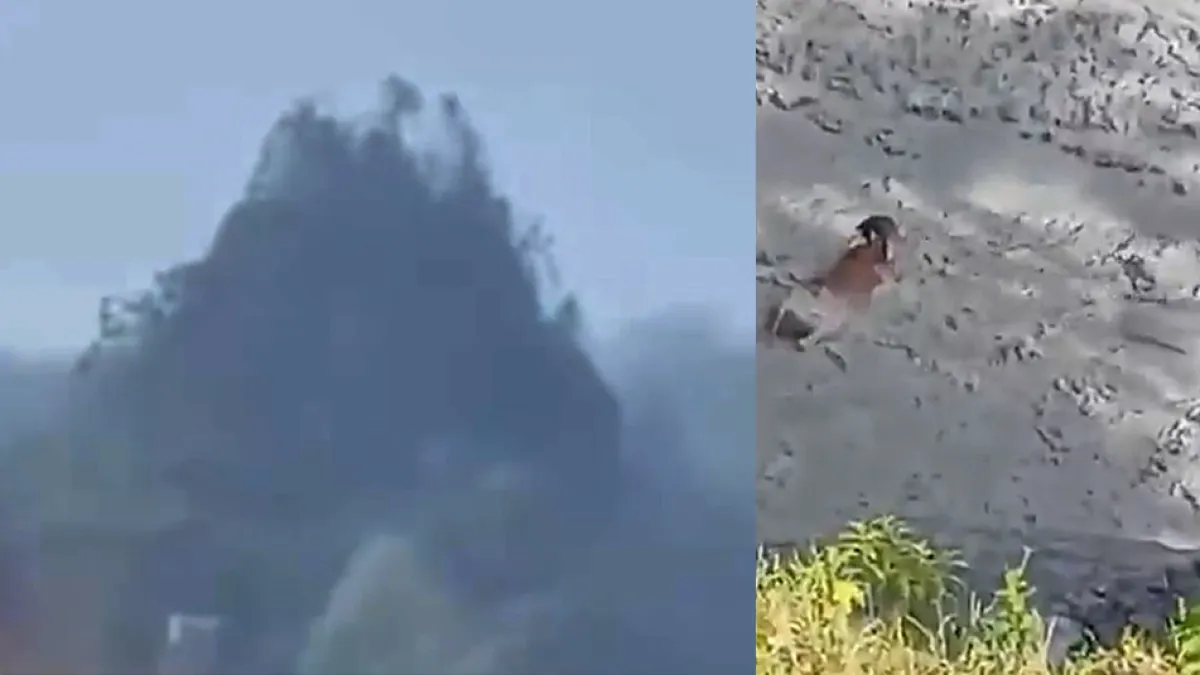
Panic erupted in the Urabá region of Antioquia, Colombia, as a mud volcano in San José de Mulatos unexpectedly burst into an active phase. The eruption on Tuesday morning sent a dense mixture of mud, gas, and water spewing into the air, quickly covering nearby pastures and causing alarm among residents.
Videos shared on social media captured the violent expulsion, fueling initial fears of people being trapped. While emergency services have confirmed no human injuries so far, the agricultural sector has suffered significant damage. Local reports indicate dozens of cattle are trapped in the thick mud, and nearby properties have been directly impacted.
Firefighters and risk management officials have cordoned off the area to assess the eruption's magnitude and assist affected animals. This event has revived anxieties in the region, recalling a similar incident in November 2024. That eruption involved a large flame from methane gas combustion, leading to the preventive evacuation of 109 families, though no fatalities or trapped individuals were reported then.
Geologists explain that these mud volcanoes in Urabá are a natural phenomenon known as mud diapirism. This process is driven by intense bacterial activity on accumulated organic matter underground, which builds up significant gas pressure. The current eruption highlights the ongoing geological activity in the area and its potential impact on the local community and its livelihood.
DistantNews Editorial
Originally published by El Tiempo in Spanish. Translated, summarized, and contextualized by our editorial team with added local perspective. Read our editorial standards.
More Stories

From Our Blog

What Gets Lost (and Found) When News Is Translated

The Critical Role of Diaspora Media in Global News

What Travellers Should Know About Countries with Restricted Press

A Digital Nomad's Guide to Following Local News

How the Same Story Looks Different in Different Countries
