


Muslim cleric opposes pardon, reintegration of criminals
Summarized and contextualized by DistantNews.
At a glance
News
Named sources
Context piece
- An Islamic cleric, Dr. Abdulateef Abdulhakeem, criticized the pardon and reintegration of convicted criminals, stating it contradicts Islamic principles.
- He argued that Shari'ah promotes justice and accountability, and some governments are hesitant to establish Shari'ah courts due to potential limitations on discretionary powers.
- Abdulhakeem urged governments to uphold the constitution and allow Muslims their right to Shari'ah courts, emphasizing their role in regulating Muslim conduct and checking excesses.
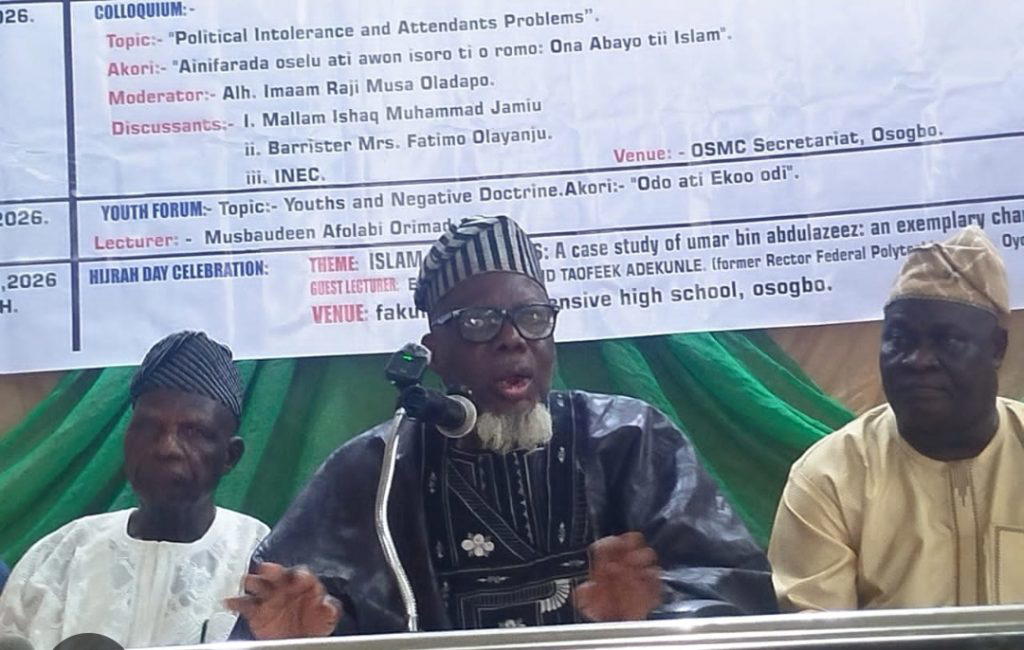
An Islamic cleric has strongly opposed the practice of pardoning and reintegrating convicted criminals into society, asserting that such actions are incompatible with Islamic principles. Dr. Abdulateef Abdulhakeem delivered his remarks on Saturday during the 20th anniversary celebration of the Osun State Independent Shari’ah Panel in Osogbo.
Shari’ah is meant to establish justice. Islam does not support what I describe as a ‘prerogative of injustice,’ whereby a killer is released because of closeness to those in authority.
Abdulhakeem contended that the implementation of Shari'ah is fundamentally about establishing justice and accountability. He suggested that reluctance among some state governments to establish Shari'ah courts stems from a desire to maintain discretionary powers often exercised by political officeholders. According to him, Shari'ah does not sanction the release or reintegration of convicted individuals based on political connections or executive whim.
Nigerians do not want Shari’ah because it does not support mercy for criminals or their reintegration into society.
"Shari'ah is meant to establish justice. Islam does not support what I describe as a ‘prerogative of injustice,’ whereby a killer is released because of closeness to those in authority," Abdulhakeem stated. He added that many Nigerians are hesitant about Shari'ah because they perceive it as not supporting mercy for criminals or their societal reintegration.
In Islam, we are not asking for anything beyond what the Constitution already provides. Section 275 makes provision for Shari’ah courts, and any state that desires one should establish it. Even if there is only one Muslim in a state, that person’s rights, including freedom of religion, association and personal liberty, must be protected through the establishment of the appropriate institution.
The cleric called upon governments at all levels to adhere to constitutional provisions, specifically Section 275, which allows for Shari'ah courts. He emphasized that Muslims are not requesting anything beyond what the constitution already guarantees. Abdulhakeem further explained that Shari'ah courts serve to regulate the conduct of Muslims and ensure adherence to Islamic principles, addressing criminal tendencies within the faith in line with the Quran, which prohibits unlawful killing and terrorism.
The Shari’ah court is meant to check the excesses of Muslims. It is not compulsory for Christians. The conventional courts remain available to everyone, while the Shari’ah court serves Muslims in matters within its jurisdiction.
DistantNews Editorial
Originally published by Vanguard. Summarized and contextualized by our editorial team with added local perspective. Read our editorial standards.
More Stories


From Our Blog

How the Same Story Looks Different in Different Countries

What Gets Lost (and Found) When News Is Translated

The Critical Role of Diaspora Media in Global News

What Travellers Should Know About Countries with Restricted Press

A Digital Nomad's Guide to Following Local News
