


"My Life, My Thing": The Search for Freedom Before Everyday Life
Translated from German, summarized and contextualized by DistantNews.
At a glance
In-depth
Sources not specified
Outcome reported
- "My Life, My Thing" is the final film by director Sophie Fillières, who died of cancer during its production.
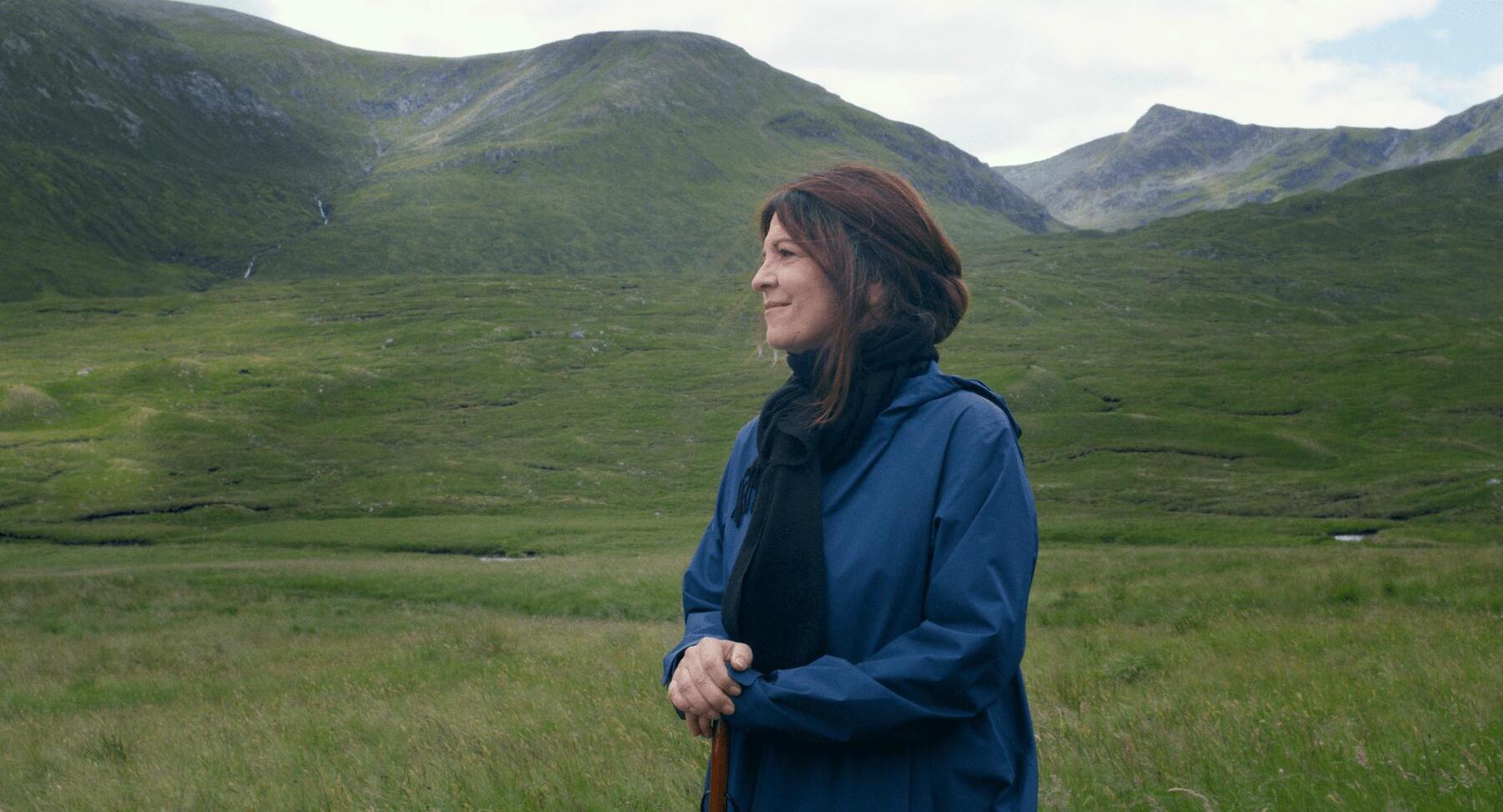
- The film stars Agnès Jaoui as Barbie, a woman navigating a complex life in her mid-50s.
- Despite the heavy themes and Fillières's passing, the film is noted for its light touch and dark humor.
Sophie Fillières's final film, "Mein Leben, mein Ding" (originally "Ma vie ma gueule"), has become her legacy. The director began working on her sixth feature film without knowing it would be her last. During production, Fillières was diagnosed with cancer, which progressed rapidly. She entered hospice care the day after filming concluded and passed away shortly after at the age of 58.
Watching "Mein Leben, mein Ding" is difficult to do without acknowledging these circumstances. The film shares a certain proximity to its director, focusing on Barberie "Barbie" Bichette, a solitary woman in her mid-50s. Barbie navigates a complicated daily life with considerable energy, despite bouts of self-doubt. Her life takes a turn after an encounter that sends her back to her childhood, leading to a breakdown and hospitalization.
Remarkably, the film, completed by Fillières's children Agathe and Adam after her death, maintains a light and breezy tone. This is especially notable given that Barbie's life appears to be a series of minor setbacks. Her daughter Rose is embarrassed when Barbie speaks to her in public, and Barbie finds her advertising copywriting job tiresome, preferring to write poetry that nobody reads. A seemingly friendly encounter on a tram ends with her carrying a stranger's groceries to her door.
Even when Barbie seeks help from her therapist, she is met with a silent shrug and a glance at the clock, signifying the end of the session. These episodes reflect the frustrating experiences of many women who feel marginalized as they age, not through overt exclusion but through countless subtle dismissals. In Fillières's film, these experiences translate not into bitterness but into a subtle, hard-to-grasp melancholy, particularly evident in Barbie's interactions with her children, and into self-deprecating, playful humor. The film also contains moments of genuine comedy, such as when her son Junior accidentally witnesses Barbie posing half-naked in front of a mirror.
DistantNews Editorial
Originally published by Die Presse in German. Translated, summarized, and contextualized by our editorial team with added local perspective. Read our editorial standards.
More Stories


From Our Blog

What Gets Lost (and Found) When News Is Translated

The Critical Role of Diaspora Media in Global News

What Travellers Should Know About Countries with Restricted Press

A Digital Nomad's Guide to Following Local News

How the Same Story Looks Different in Different Countries
