


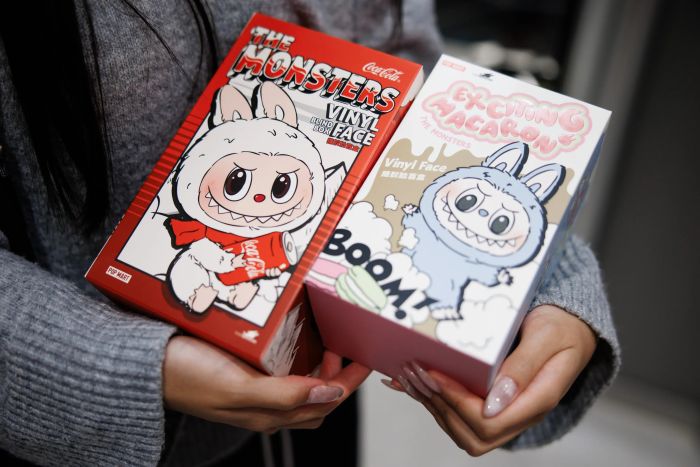
Mystery boxes: Hobby or just a waste of money?
Translated from Malay, summarized and contextualized by DistantNews.
At a glance
Analysis
Named sources
Context piece
- Blind boxes, or mystery boxes, are raising concerns among consumer advocates about whether they are a modern hobby or a new culture encouraging uncontrolled spending.
- Social media algorithms promote trends, potentially pressuring young people into impulse purchases that strain finances, especially with rising living costs.
- Experts urge strengthening financial literacy and consumer awareness, emphasizing the need to distinguish healthy hobbies from emotionally driven spending influenced by social pressure and marketing tactics.
The popularity of blind boxes, also known as mystery boxes, is sparking significant concern among consumer observers and activists. Questions are arising about whether this trend is merely a modern collecting hobby or a new consumer culture that could lead to unchecked spending.
In today's digital economy, social pressure is increasingly exerted through social media algorithms that constantly showcase the trends and lifestyles of other users. This phenomenon can have a considerable impact on the financial management of younger generations. With the rising cost of living, purchasing based on trends and impulse can create long-term financial stress.
Some consumers reportedly spend hundreds, even thousands, of ringgit to complete specific collections, despite these purchases lacking any real necessity. As consumers become more exposed to digital marketing strategies, there is a critical need to enhance financial literacy and consumer awareness. While an interest in art and popular culture is not inherently wrong, consumers must understand the boundary between a healthy hobby and spending habits influenced by emotion and social pressure.
Parents, educational institutions, and consumer organizations play a vital role in educating young people about financial management and the risks associated with modern consumerism. Awareness of psychological marketing techniques is crucial for enabling consumers to make rational and responsible purchasing decisions. The blind box phenomenon, seemingly small and harmless, reflects broader shifts in global consumer culture, raising questions about whether purchases are driven by genuine interest or a fear of missing out on current cultural trends.
DistantNews Editorial
Originally published by Utusan Malaysia in Malay. Translated, summarized, and contextualized by our editorial team with added local perspective. Read our editorial standards.
More Stories



From Our Blog

What Gets Lost (and Found) When News Is Translated

The Critical Role of Diaspora Media in Global News

What Travellers Should Know About Countries with Restricted Press

A Digital Nomad's Guide to Following Local News

How the Same Story Looks Different in Different Countries
