


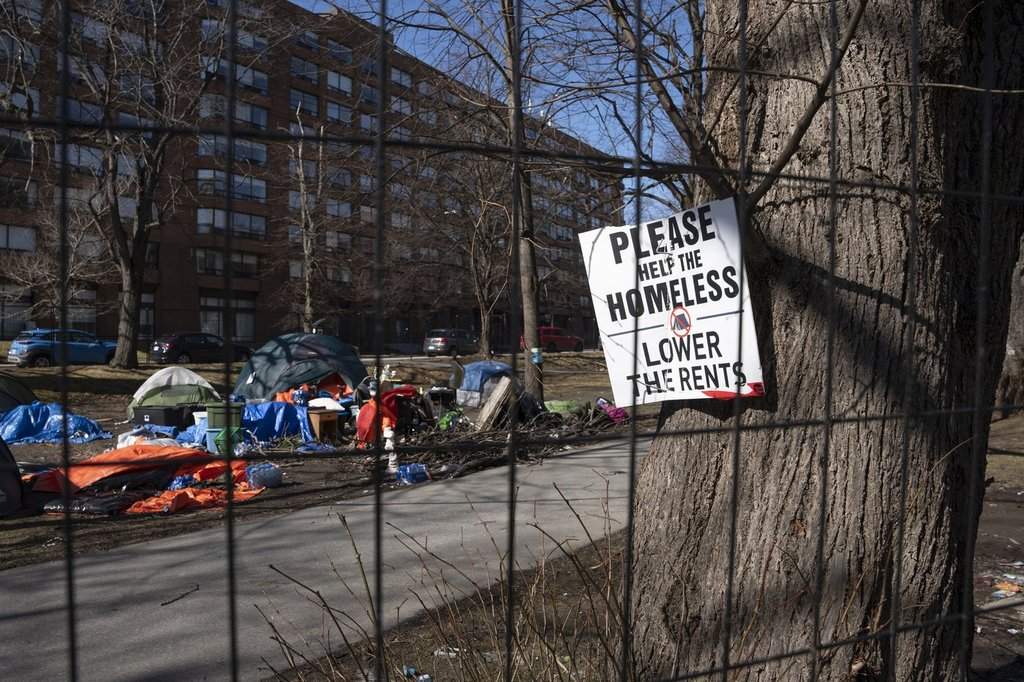
N.S. Court of Appeal says province can’t deny people in tents enhanced income support
Summarized and contextualized by DistantNews.
At a glance
News
Named sources
Outcome reported
- Nova Scotia's Court of Appeal ruled that people living in tents qualify for enhanced income support.
- The court overturned a lower court decision that denied support to an unhoused man living in a tent.
- The ruling is seen as a victory for vulnerable populations and may have ripple effects in other provinces.
Nova Scotia's Court of Appeal has declared that tents legally count as accommodations, meaning the province cannot deny enhanced income support to unhoused individuals residing in them. This landmark ruling on Wednesday overturned a previous Nova Scotia Supreme Court decision that had disqualified an unhoused man, Bradley Lowe, from receiving the higher benefit rate because he lived in a tent.
The Appeal Court judges found that a 2023 decision by the assistance appeal board was also incorrect in denying Lowe the enhanced rate, despite him having a disability. Lowe had applied for assistance in 2023 and was eligible for the standard $380 per month, but was denied the enhanced rate of $974 per month. He passed away in December 2023, but his family, with the Elizabeth Fry Society of Mainland Nova Scotia as an intervener, continued to fight his case.
I feel like this is a win for all Canadians in that I really, deeply believe that we are only as healthy as our most vulnerable people. I hope that we will see some ripple effects into other provinces.
Emma Halpern, executive director of the Elizabeth Fry Society, hailed the ruling as a win that recognizes the humanity of society's most vulnerable. "I feel like this is a win for all Canadians in that I really, deeply believe that we are only as healthy as our most vulnerable people," Halpern stated in an interview. "I hope that we will see some ripple effects into other provinces."
Halpern noted that the society intervened to highlight the particular challenges faced by women living in tents, who are more vulnerable to violence without a locking door and may struggle to maintain appearances required for caregiving roles. She expressed satisfaction that the court rejected the province's argument that providing more financial aid might incentivize women to choose tent living over shelters. "The reason women are ending up in tents is because there are no beds in transition houses or women’s shelters," Halpern asserted. "You can get back on your feet so much quicker if you’ve not lost your funding and your housing at the same time."
The reason women are ending up in tents is because there are no beds in transition houses or women’s shelters. You can get back on your feet so much quicker if you’ve not lost your funding and your housing at the same time.
DistantNews Editorial
Originally published by Global News. Summarized and contextualized by our editorial team with added local perspective. Read our editorial standards.
More Stories



From Our Blog

What Gets Lost (and Found) When News Is Translated

The Critical Role of Diaspora Media in Global News

What Travellers Should Know About Countries with Restricted Press

A Digital Nomad's Guide to Following Local News

How the Same Story Looks Different in Different Countries
