


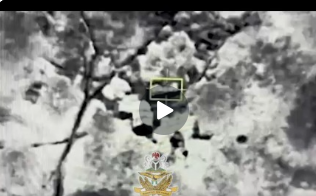
NAF air strikes kill nine ISWAP fighters, commander in Borno
Summarized and contextualized by DistantNews.
At a glance
News
Named sources
Outcome reported
- The Nigerian Air Force conducted an air strike in Borno State, killing nine ISWAP fighters and a commander.
- The operation followed intelligence gathering and ISR missions that tracked terrorist movements near Sambisa Forest.
- The NAF stated the strike is expected to disrupt the group's activities and improve security in the region.
The Nigerian Air Force (NAF) reported a successful air strike in Borno State on Saturday, August 8, 2026, neutralizing nine fighters from the Islamic State West Africa Province (ISWAP), including a senior commander. The operation targeted a suspected hideout within the Sambisa Forest area after persistent Intelligence, Surveillance, and Reconnaissance (ISR) missions identified terrorist movements.
Subsequent battle damage assessment indicated significant effects on the targeted compound, with several terrorists neutralised.
According to Air Commodore Ehimen Ejodame, Director of Public Relations and Information for the NAF, a Remotely Piloted Aircraft (RPA) conducted a precision strike on the positively identified target. Battle damage assessments confirmed significant impact, with subsequent intelligence indicating nine ISWAP fighters were killed and others wounded. The slain commander, identified as Abu Khalid Al Muhajir, was reportedly responsible for providing security escorts for senior ISWAP members and possessed crucial knowledge of routes connecting terrorist enclaves.
Further intelligence received after the operation confirmed that nine ISWAP fighters were killed, while several others were wounded.
The NAF highlighted that Al Muhajir's death is expected to hinder the group's movement and operational security. Furthermore, intelligence suggests some of the neutralized fighters were linked to the recent ambush of Nigerian troops along the Bita-Yamtage axis. The NAF emphasized the growing effectiveness of its intelligence-led air operations, particularly the use of persistent surveillance and precision strikes.
His death was expected to affect the group’s movement and protection arrangements, particularly because of his reported knowledge of routes and terrain connecting terrorist enclaves within the Sambisa Forest and surrounding areas.
Ejodame assured that the NAF will continue coordinating intelligence-led air operations with ground forces to degrade terrorist capabilities, restrict their freedom of movement, and enhance security for communities affected by the insurgency in Nigeria's North-East.
The operation demonstrated the growing effectiveness of intelligence-led air operations, particularly the use of persistent surveillance and precision strikes to locate and engage terrorist elements.
DistantNews Editorial
Originally published by Vanguard. Summarized and contextualized by our editorial team with added local perspective. Read our editorial standards.
More Stories



From Our Blog

How the Same Story Looks Different in Different Countries

What Gets Lost (and Found) When News Is Translated

The Critical Role of Diaspora Media in Global News

What Travellers Should Know About Countries with Restricted Press

A Digital Nomad's Guide to Following Local News
