


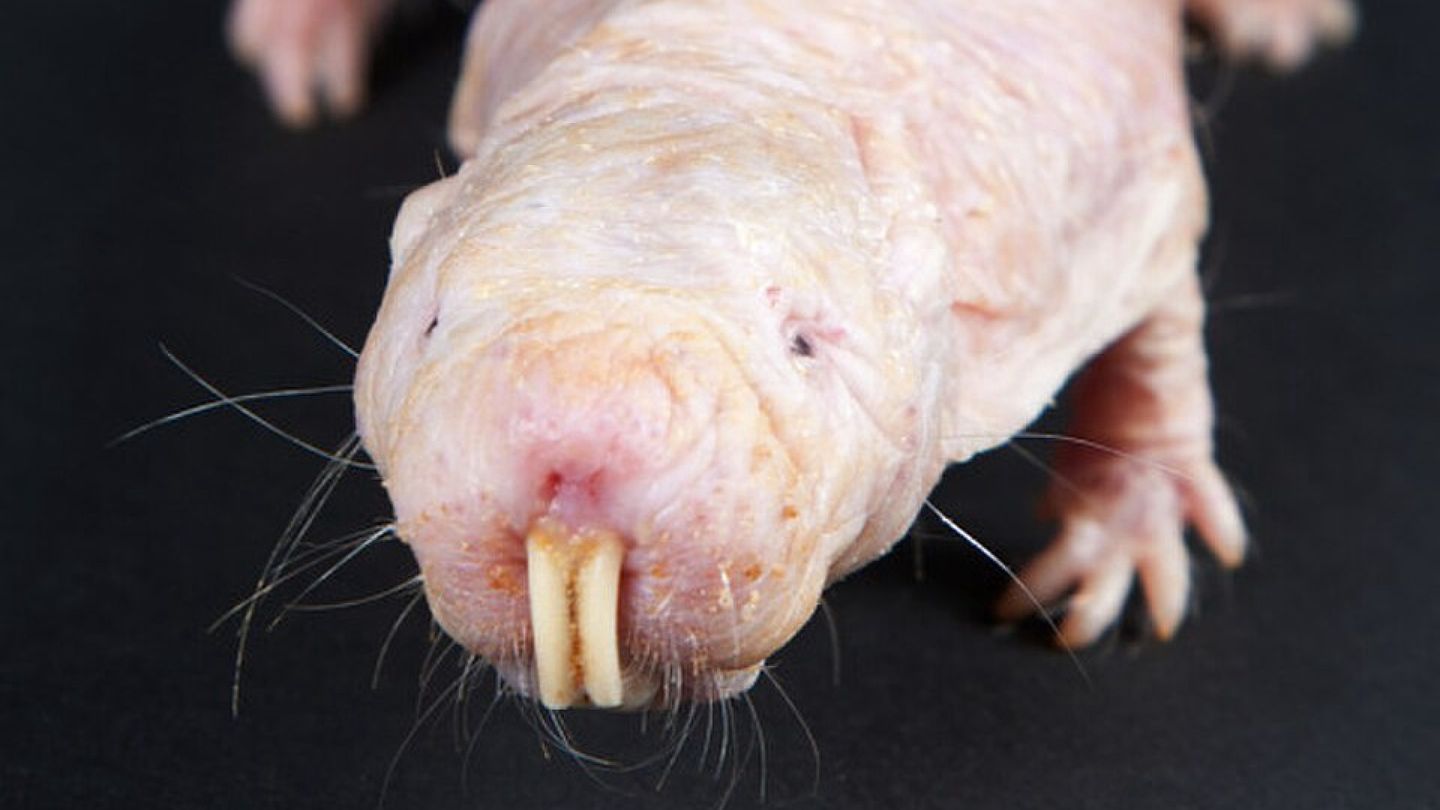
Naked mole-rat's pungent scent: A leader's tool for control
Translated from Finnish, summarized and contextualized by DistantNews.
At a glance
In-depth
Sources not specified
Context piece
- Naked mole-rats use a powerful scent, specifically isopropyl myristate, to maintain social order and suppress reproduction among subordinates.
- This discovery, published in Nature, suggests a unique form of "leadership by smell" within their colonies.
- Researchers believe this finding could offer insights into social dynamics and potentially even human behavior, though the direct application is speculative.
In the fascinating world of animal behavior, the naked mole-rat offers a peculiar lesson in leadership: the power of a potent smell. A study published in the esteemed journal Nature reveals how these subterranean rodents maintain social order and control reproduction through a distinct olfactory signal emitted by their queen.
The naked mole-rat queen, described as the colony's "boss lady," exerts her authority by releasing a commanding scent. This aroma immediately halts fighting and excessive sexual activity within the colony. The key component identified in this authoritative fragrance is isopropyl myristate, a compound also commonly used in cosmetics, which humans cannot detect but naked mole-rats perceive as a potent signal.
Researchers observed that when the queen was removed and her scent was artificially introduced into the colony, social harmony prevailed for months. However, upon cessation of the scent application, chaos ensued, leading to increased conflict and mating, eventually resulting in a new queen emerging. This suggests the scent plays a crucial role in regulating the colony's reproductive cycle and social structure.
The study further indicates that isopropyl myristate may inhibit the production of progesterone in naked mole-rats, thereby suppressing their reproductive drive. This unique social structure, where a single queen monopolizes reproduction and maintains order through chemical signals, is reminiscent of insect societies like ants. The findings raise intriguing questions about the role of chemical communication in social hierarchies and could, speculatively, offer parallels for understanding leadership and social control in other species, including humans.
DistantNews Editorial
Originally published by Helsingin Sanomat in Finnish. Translated, summarized, and contextualized by our editorial team with added local perspective. Read our editorial standards.
More Stories



From Our Blog

What Gets Lost (and Found) When News Is Translated

The Critical Role of Diaspora Media in Global News

What Travellers Should Know About Countries with Restricted Press

A Digital Nomad's Guide to Following Local News

How the Same Story Looks Different in Different Countries
