


NASA's experimental X-59 aircraft breaks the sound barrier for the first time
Translated from Spanish, summarized and contextualized by DistantNews.
At a glance
News
Official statement
Context piece
- NASA's experimental X-59 aircraft successfully broke the sound barrier for the first time, reaching supersonic speeds in a significant milestone for quiet supersonic flight.
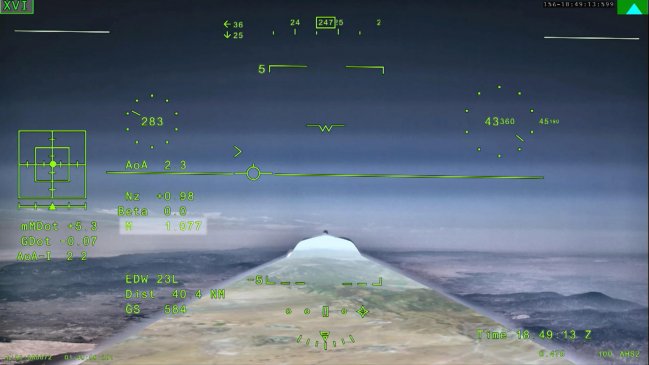
- The aircraft achieved a maximum speed of approximately 1,147 kilometers per hour at an altitude of 43,400 feet during an 81-minute flight from Edwards Air Force Base in California.
- The X-59 is designed to overcome the sonic boom issue that grounded previous supersonic commercial flights like the Concorde, aiming to enable quieter supersonic air travel.
NASA announced a significant milestone for aviation as its experimental X-59 aircraft successfully surpassed the speed of sound for the first time. This achievement marks a crucial step toward developing quiet supersonic commercial flights.
The aircraft took off and landed at Edwards Air Force Base in California. During an 81-minute flight, the X-59 reached a top speed of approximately 1,147 kilometers per hour (Mach 1.02) at an altitude of 43,400 feet. NASA test pilot Jim "Clue" Less was at the controls, with the mission focused on evaluating the aircraft's flight characteristics at both subsonic and supersonic speeds.
the team focused on the flight qualities at subsonic and then supersonic speeds
The X-59's primary innovation is its ability to break the sound barrier without producing the disruptive sonic boom. This characteristic was a major factor in the commercial demise of the Concorde, which operated from 1976 to 2003. While the Concorde could exceed 2,000 kilometers per hour, the sonic boom it generated led many countries to ban supersonic flights over their territories.
NASA engineers designed the X-59 with a distinctive long nose, comprising one-third of the aircraft's total length, and positioned the engine on top. This configuration helps disperse sound waves, preventing them from compressing and creating the loud boom associated with supersonic flight. The agency plans to reach Mach 1.4 in subsequent flights later this year.
In the next few days, we expect to take the next step and reach Mach 1.4 (between 1,500 and 1,700 km/h)
DistantNews Editorial
Originally published by Cooperativa in Spanish. Translated, summarized, and contextualized by our editorial team with added local perspective. Read our editorial standards.
More Stories



From Our Blog

What Gets Lost (and Found) When News Is Translated

The Critical Role of Diaspora Media in Global News

What Travellers Should Know About Countries with Restricted Press

A Digital Nomad's Guide to Following Local News

How the Same Story Looks Different in Different Countries
