


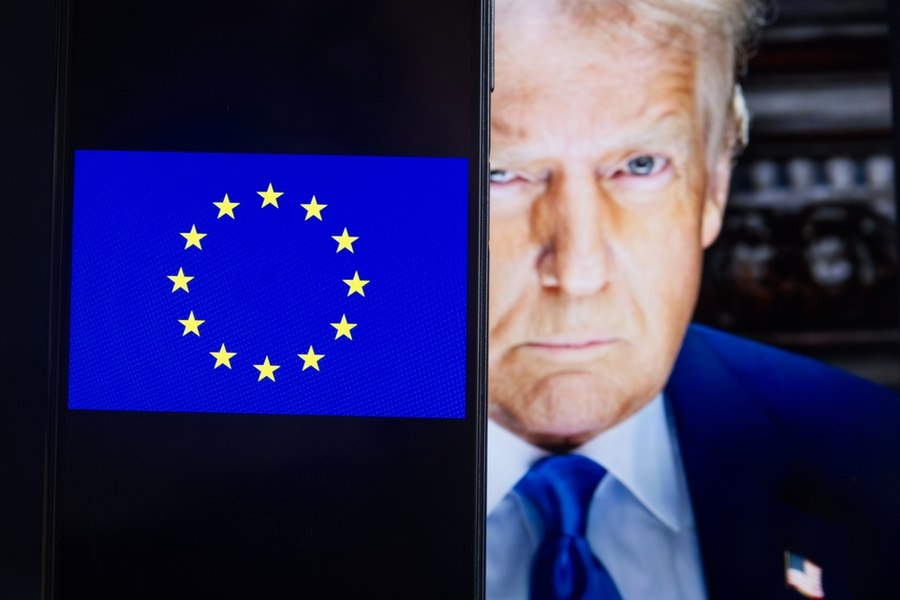
NATO and transatlantic ties to survive Trump era, analysis suggests
Translated from Romanian and summarized by DistantNews. Read the original for the full story.
At a glance
Analysis
Sources not specified
Context piece
- Donald Trump's critical stance on NATO has unsettled Europe, but increased defense spending and shared interests suggest the alliance will likely survive his era.
- While European nations are rightly concerned about reliance on the U.S., they are also increasing their own defense budgets and seeking greater geopolitical weight.
- The article argues that NATO may emerge from the Trump era not only intact but strengthened, particularly through the reinforcement of its European pillar.
Donald Trump's sharp criticisms and threats have understandably caused unease in Europe regarding the future of the transatlantic partnership. However, an analysis by Charles A. Kupchan, professor of international relations at Georgetown University, suggests that the North Atlantic Treaty Organization (NATO) is more likely to endure than to crumble, even in the face of such challenges.
Kupchan acknowledges that European nations have valid reasons to question their reliance on the United States, citing Trump's dismissive attitude toward NATO, his halt in aid to Ukraine, and other controversial actions. These developments prompt serious consideration of whether the U.S. remains a dependable ally. While prudence dictates that Europeans should prepare for greater security autonomy, Kupchan believes a complete breakdown of the alliance is improbable.
The enduring strength of the transatlantic alliance, he argues, lies in its foundation of shared interests and values. The U.S. continues to view its European allies as its most crucial partners, and Europe still requires American power and resolve for its security. Consequently, European nations are encouraged to continue increasing their defense budgets and pursue greater geopolitical influence.
The U.S. needs Europe, and Europe needs the U.S.
Trump's insistence on a rebalancing of the alliance, Kupchan notes, is not entirely unfounded. For too long, European countries have underinvested in their militaries, becoming complacent under the U.S. security umbrella and the perceived stability following the Cold War. While Trump's demanding tone can generate resentment, his pressure, coupled with the resurgence of the Russian threat, appears to be yielding results.
Nearly all NATO members have committed to allocating 2% of their GDP to defense by 2035, with Germany, Europe's largest economy, showing strong political consensus for significant military investment. The analysis concludes that NATO is likely to emerge from the Trump era not only intact but potentially strengthened, particularly through the consolidation of its European component, suggesting the transatlantic bond remains mutually beneficial.
It is very likely that NATO will emerge from the Trump era not only intact, but consolidated, by strengthening the European pillar.
About this summary
Originally published by Adevărul in Romanian. Translated, summarized, and contextualized automatically by DistantNews, with a note on how the source frames the story. Not individually reviewed before publishing. How this works.
More Stories
From Our Blog

What Gets Lost (and Found) When News Is Translated

The Critical Role of Diaspora Media in Global News

What Travellers Should Know About Countries with Restricted Press

A Digital Nomad's Guide to Following Local News

How the Same Story Looks Different in Different Countries
