


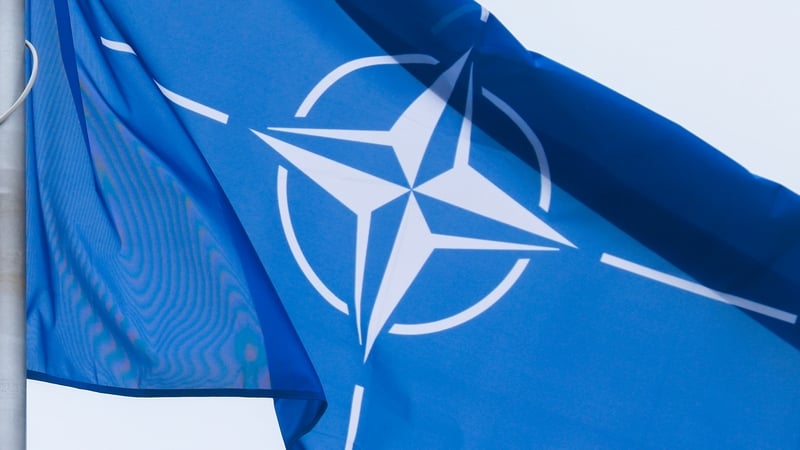
NATO’s Arctic moves pose a ‘direct threat’ to Russia, Lavrov says
Translated from English and summarized by DistantNews. Read the original for the full story.
At a glance
News
Official statement
Ongoing story
- Sergei Lavrov said NATO military activity in the Arctic poses a direct threat to Russia and increases the risk of an armed confrontation.
- NATO launched its Arctic Sentry mission in February as members expanded their presence in the region amid tensions over Russia’s war in Ukraine.
- Russia maintains major military infrastructure in the Arctic, while Norway and China have also increased activity there.
Russia has described NATO’s expanding Arctic presence as a direct threat, warning that military activity in the far north could lead to an armed confrontation with catastrophic consequences.
Foreign Minister Sergei Lavrov made the assessment in an article published by Russia’s foreign ministry. He called NATO exercises in the region aggressive and said the risks of incidents were increasing.
NATO launched its Arctic Sentry mission in February to strengthen its presence in the far north. The alliance has focused more closely on the Arctic as tensions with Russia have grown after the war in Ukraine, while US President Donald Trump has pushed for the acquisition of Greenland.
Moscow considers the Arctic a sphere of interest. It operates a naval fleet that includes nuclear-armed submarines and has developed a shipping route intended to connect the region with Asian countries. Russia also has the largest military presence and most extensive military infrastructure in the Arctic.
Norway, which borders Russia, expanded an Arctic-based military brigade this month. China has also increased its activity in the mineral-rich region, mainly in cooperation with Moscow. Russia has previously rejected allegations that it threatens NATO.
Such military activity in the far north poses direct threats to Russia’s security. The risks of incidents that could trigger an armed confrontation, with potentially catastrophic consequences, are increasing.
About this summary
Originally published by RTÉ News in English. Translated, summarized, and contextualized automatically by DistantNews, with a note on how the source frames the story. Not individually reviewed before publishing. How this works.
More Stories


From Our Blog

What Gets Lost (and Found) When News Is Translated

The Critical Role of Diaspora Media in Global News

What Travellers Should Know About Countries with Restricted Press

A Digital Nomad's Guide to Following Local News

How the Same Story Looks Different in Different Countries
