

Nazi Germany's Swift Reshaping of Society: New Holidays for Leader and Party Met Little Resistance
Translated from Polish, summarized and contextualized by DistantNews.
TLDR
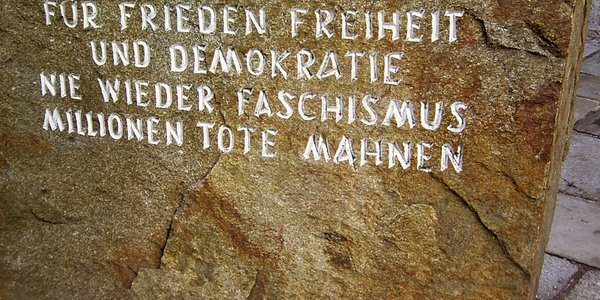
- The article discusses how the Nazi regime attempted to replace national and religious traditions with state holidays honoring the leader and party.
- It highlights the surprising success of this implementation, noting that Hitler's 12-year rule was shorter than that of some chancellors, yet he significantly altered German mentality.
- The piece suggests this was achieved through a deliberate effort to rebuild national consciousness and identity around the party and its leader.
This historical analysis from Rzeczpospolita delves into the disturbing effectiveness of totalitarian regimes in reshaping societal consciousness. The article points to the Nazi Germany's attempt to supplant established traditions with a new state-sanctioned calendar of holidays, designed to venerate the Führer and the party. What is particularly striking, as the author notes, is the apparent lack of significant societal resistance to these changes, despite Hitler's relatively short period of rule compared to his successors.
The piece contrasts this with the longer tenures of chancellors like Helmut Kohl, Angela Merkel, and Konrad Adenauer, emphasizing that Hitler's impact on German national identity and mentality was profound and swift. This suggests a deliberate and perhaps insidious strategy by the Nazi regime to fundamentally alter the German psyche, replacing historical and religious narratives with a new ideology centered on the leader and the party.
From a Polish perspective, understanding the mechanisms by which totalitarian regimes manipulate national consciousness is crucial. Rzeczpospolita, as a publication in a nation with a deep historical memory of occupation and ideological subjugation, views such historical analyses not merely as academic exercises but as vital lessons in vigilance against the erosion of independent thought and cultural heritage. The article serves as a stark reminder of how quickly deeply ingrained traditions can be challenged and potentially replaced when a state apparatus systematically targets national identity.
DistantNews Editorial
Originally published by Rzeczpospolita in Polish. Translated, summarized, and contextualized by our editorial team with added local perspective. Read our editorial standards.
More Stories


From Our Blog

What Gets Lost (and Found) When News Is Translated

The Critical Role of Diaspora Media in Global News

What Travellers Should Know About Countries with Restricted Press

A Digital Nomad's Guide to Following Local News

How the Same Story Looks Different in Different Countries
