

Nearly 50 Years On, Vietnam Veterans Remember Southwest Border Conflict
Translated from Vietnamese, summarized and contextualized by DistantNews.
At a glance
In-depth
Sources not specified
Context piece
- Nearly fifty years after the war, former Youth Volunteers from Ho Chi Minh City remember their comrades who died in the Southwest border conflict.
- Volunteers recall the dangers of transporting ammunition and stretcher-bearing wounded soldiers, adapting to gunfire and unexpected situations.
- The experience in the Youth Volunteer force is described as a university that helped young people mature through labor and challenges.
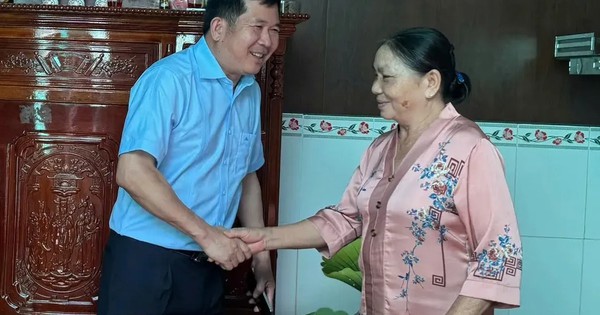
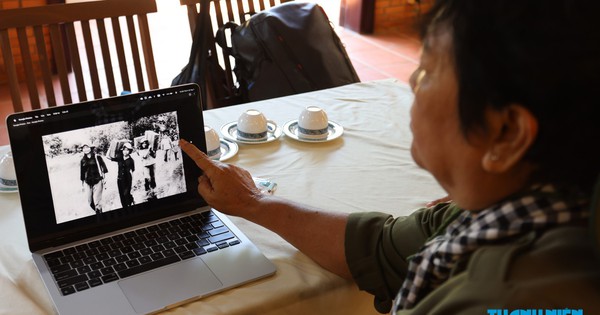
Nearly half a century has passed, but former Youth Volunteers from Ho Chi Minh City still vividly recall their days of transporting ammunition and stretcher-bearing the wounded during the Southwest border conflict. Many of them remember comrades who never returned from the battlefield.
"Every time I light incense, my tears flow," said Tran Toan Thu, 67, from Dong Hung Thuan ward, Ho Chi Minh City, his voice choked with emotion as he spoke of fallen comrades. Thu joined the Ho Chi Minh City Youth Volunteer force on March 28, 1976, at the age of 17, during the first deployment after the country's reunification.
Initially assigned to logistics, Thu served in Moc Hoa (then Long An) and Di Linh (Lam Dong). In August 1978, his unit returned to Cu Chi to prepare for deployment to the Southwest border battlefield. Two months before departing, Thu was admitted to the Youth Union. "I just thought I was a union member, assigned to duty, and would serve in the Southwest border. At that time, I couldn't imagine what lay ahead," he recalled.
Tôi chỉ nghĩ mình là đoàn viên, được phân công thì đi, phục vụ chiến đấu ở biên giới Tây Nam. Lúc ấy, tôi chưa hình dung được phía trước sẽ như thế nào
Following the Khmer Rouge attacks, many Youth Volunteers who were reclaiming land and building irrigation systems in the outskirts of Ho Chi Minh City volunteered for the front lines. They fought and supported the army. Thu, as a squad leader, initially protected communication lines, a dangerous task often under fire. "Protecting communication lines was very dangerous, we were shot at occasionally. The soldiers would signal us to lie down immediately. Gradually, we had to adapt to the sound of gunfire and unexpected situations," Thu recounted.
In the early days, the Youth Volunteers on the border had very few weapons. Soldiers taught them how to use AK rifles, load magazines, and crucially, not to fire without orders to avoid revealing their positions. After an ambush on July 22, 1978, which claimed the lives of many members of unit 303, the Youth Volunteers were equipped with more weapons. During rainy season missions carrying the wounded, male volunteers carried rifles to protect the formation while helping their comrades navigate routes where ambushes were possible.
Pham Thi Khoay, 68, also a Youth Volunteer since March 28, 1976, worked in various roles, from rice cultivation to digging canals. She described the Youth Volunteer environment as a "university" that fostered maturity through labor and challenges. In June 1978, Khoay was deployed to the Southwest border.
Bảo vệ đường dây thông tin rất nguy hiểm, thỉnh thoảng lại bị bắn. Bộ đội ra hiệu là chúng tôi phải nằm xuống ngay. Dần dần, mình buộc phải thích nghi với tiếng súng và những tình huống bất ngờ
DistantNews Editorial
Originally published by Thanh Niên in Vietnamese. Translated, summarized, and contextualized by our editorial team with added local perspective. Read our editorial standards.
More Stories
From Our Blog

What Gets Lost (and Found) When News Is Translated

The Critical Role of Diaspora Media in Global News

What Travellers Should Know About Countries with Restricted Press

A Digital Nomad's Guide to Following Local News

How the Same Story Looks Different in Different Countries
