


Nepal asks Meta, TikTok to remove graphic flood content and misinformation
Translated from English and summarized by DistantNews. Read the original for the full story.
At a glance
News
Named sources
Ongoing story
- The Nepali government has formally requested Meta and TikTok to immediately remove graphic content, AI-generated videos, and misleading posts circulating after the Bhotekoshi floods.
- Officials cited concerns that such content could confuse the public, hinder relief operations, and cause distress to victims' families.
- The government is pushing for faster response times from social media platforms, as current delays of 24-48 hours allow harmful material to spread widely.
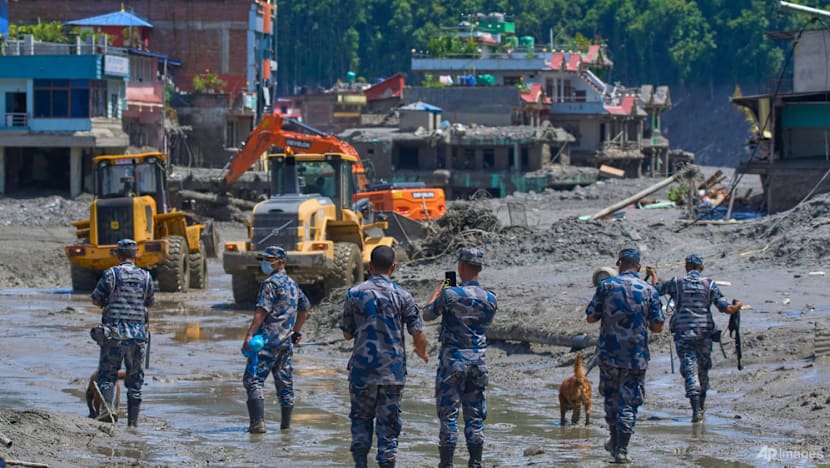
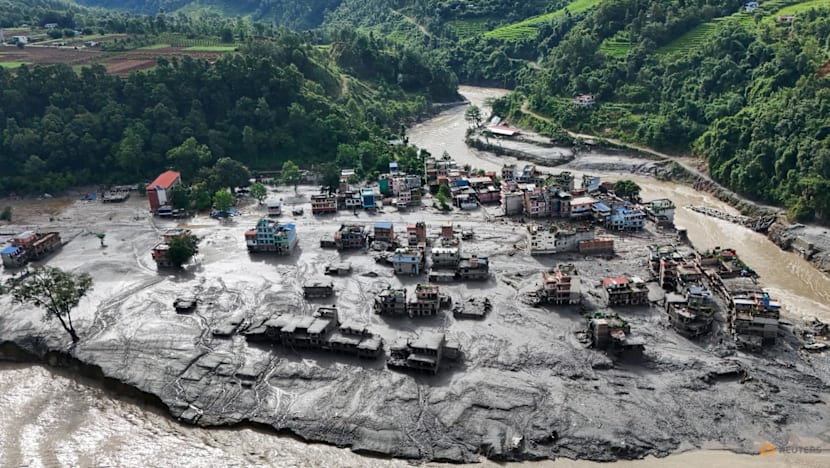
Nepal's government is taking a firm stance against the proliferation of harmful online content following the devastating Bhotekoshi floods, urging social media giants Meta and TikTok to act decisively. Officials met with representatives from the platforms on August 28 to demand the immediate removal of graphic images, AI-generated videos, fraudulent QR codes, and misleading posts that have flooded social media in the wake of the disaster.
Bijay Kumar Roy, coordinator of the government's social media regulation task force, emphasized the need for direct collaboration with platform providers, as internet service providers can only block entire domains. "The government has urged TikTok and Meta to make their algorithms proactive so that graphic and false content is automatically blocked as soon as it is posted," Roy stated. This request comes amid a surge of misinformation, including the recirculation of old videos as current footage and the spread of AI-synthesized visuals presented as real disaster scenes.
Authorities are also concerned about fraudulent QR codes being used to solicit donations for flood victims, fearing these scams could exploit public sympathy and divert essential funds. While Meta and TikTok have designated points of contact in Nepal for flagging problematic posts, the current response time of 24 to 48 hours is deemed too slow. Officials are pushing for substantially shorter response times and the immediate blurring of distressing images, particularly those depicting victims and the disaster's aftermath.
To manage the crisis effectively, the government has established a multi-agency team comprising representatives from the Ministry of Communication and Information, the Nepal Telecommunications Authority (NTA), and the Ministry of Home Affairs. The NTA handles technical coordination, while Nepal Police is tasked with identifying and prosecuting individuals involved in creating or distributing malicious content. The communication ministry has also appealed to national and local media outlets to exercise caution and responsibility in their reporting.
Since Internet Service Providers can only block entire web domains, direct co-ordination with platform providers was essential. The government has urged TikTok and Meta to make their algorithms proactive so that graphic and false content is automatically blocked as soon as it is posted.
About this summary
Originally published by The Straits Times in English. Translated, summarized, and contextualized automatically by DistantNews, with a note on how the source frames the story. Not individually reviewed before publishing. How this works.
More Stories

From Our Blog

What Gets Lost (and Found) When News Is Translated

The Critical Role of Diaspora Media in Global News

What Travellers Should Know About Countries with Restricted Press

A Digital Nomad's Guide to Following Local News

How the Same Story Looks Different in Different Countries
