

Nepal-China border lake overflows, halting rescue efforts
Translated from English and summarized by DistantNews. Read the original for the full story.
At a glance
News
Named sources
Ongoing story
- A landslide-formed lake on the Nepal-China border overflowed, causing panic and halting rescue efforts in areas hit by a prior flash flood.
- The catastrophic flood two days earlier killed 489 in Nepal and five in China, with nearly 1,000 missing and significant destruction to infrastructure.
- Chinese rescue personnel withdrew due to the risk, while Nepalese authorities briefly stopped and then resumed operations as water levels rose.
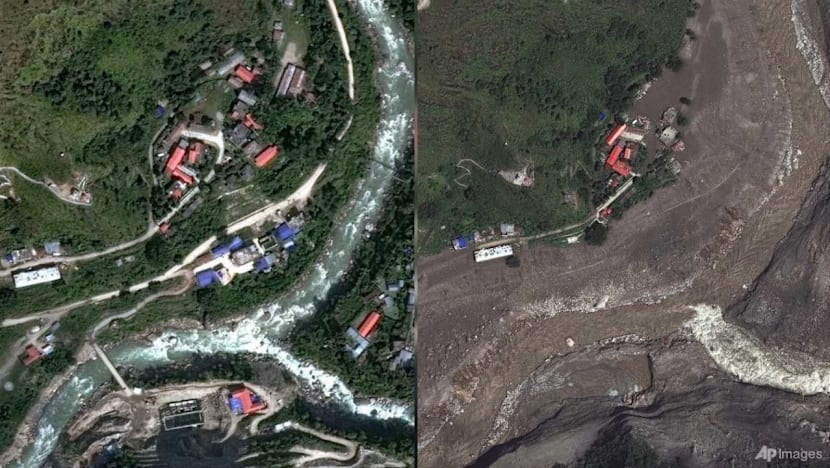
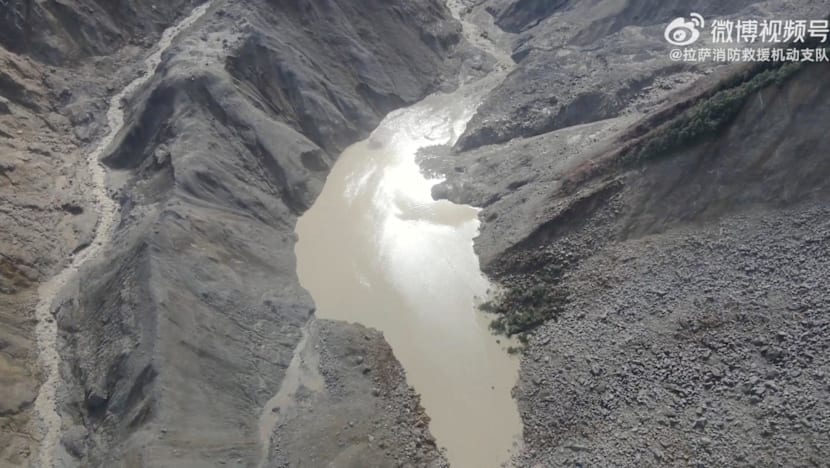
Panic gripped areas near the Nepal-China border on Friday as a lake, formed by a recent landslide, began to overflow. The overflowing water threatened regions already devastated by a catastrophic flash flood two days prior, forcing rescue operations to a temporary halt. The earlier flood, triggered by a glacier collapse, claimed 489 lives in Nepal and five in China's Tibet Autonomous Region, with nearly 1,000 people still missing across both countries.
The massive torrent of rock, ice, and mud from the glacier collapse had carved through Himalayan river systems, creating the barrier lake where water continued to collect. By Friday, the lake's reservoir had swelled to an estimated 2.5 million cubic meters, exceeding previous estimates and spilling into the Bhotekoshi River. Authorities in Nepal's Rasuwa district confirmed the overflow, noting a rising river level and issuing warnings for people to stay away.
We have received a notice saying that the lake has broken its banks. But we do not know how big it is and how high is its water level. We can see that the level of water in the river is rising.
Residents scrambled to higher ground, carrying their belongings as sirens blared and announcements urged caution. Shanti Tamang, a local resident, described the fear, saying, "Everyone started saying 'run,' so I ran. The siren in Bidur (town) also went off. I was very scared." Rescue workers and their equipment were also moved to safer locations, disrupting the search for survivors.
In China, the risk of the lake bursting prompted the withdrawal of all rescue personnel and vehicles to a safe area, according to state broadcaster CCTV. Nepalese authorities briefly suspended rescue operations for 90 minutes before resuming them later. The earlier flood had ravaged villages and valleys, destroying vital infrastructure like power stations, roads, and bridges along a key route connecting Kathmandu with Lhasa. Among the missing are at least 540 foreigners, many of them Indian pilgrims en route to Tibet.
Everyone started saying 'run,' so I ran. The siren in Bidur (town) also went off. I was very scared.
About this summary
Originally published by CNA in English. Translated, summarized, and contextualized automatically by DistantNews, with a note on how the source frames the story. Not individually reviewed before publishing. How this works.
More Stories


From Our Blog

What Gets Lost (and Found) When News Is Translated

The Critical Role of Diaspora Media in Global News

What Travellers Should Know About Countries with Restricted Press

A Digital Nomad's Guide to Following Local News

How the Same Story Looks Different in Different Countries
