


Nepal Flood Death Toll Reaches 626, With 2,426 Missing
Translated from English and summarized by DistantNews. Read the original for the full story.
At a glance
News
From a news agency
Ongoing story
- Nepal's death toll from catastrophic flash floods has risen to 626, with 2,426 people still missing.
- Rescue operations, including helicopter flights, are hampered by poor weather conditions.
- Authorities are monitoring a newly formed glacial lake that could cause further flooding.
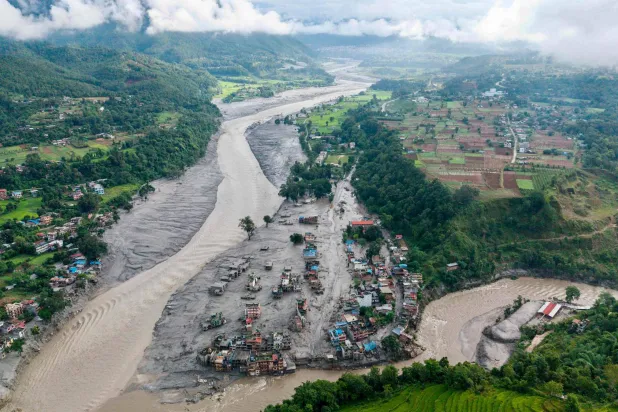
Aerial rescue operations in Nepal faced delays on Saturday due to poor weather, as the search for hundreds missing after devastating flash floods continued into its fourth day. The disaster, which struck Wednesday, has already claimed 626 lives, with nearly 2,500 people unaccounted for.
helicopter operations were on hold until weather conditions improved
Rescue teams and military personnel have been working tirelessly since the floods hit. While some survivors have been extricated from the mud, efforts to locate those still missing persist. However, helicopter operations were suspended Saturday morning until weather conditions improve, according to a Nepali Army spokesperson.
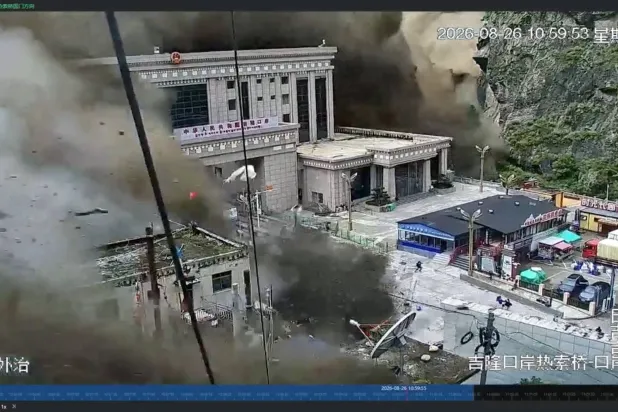
Search and rescue efforts are concentrated at several locations, including the Upper Trishuli-1 Hydropower Project in Nepal's Rasuwa district and the heavily damaged Gyirong border crossing on the Chinese side. Authorities believe over 100 people may be trapped in mud at the hydropower construction site, where difficult conditions, including thick mud and limited landing zones for helicopters, complicate the operation.
rescue efforts would continue at the hydropower construction site, where authorities believe more than 100 people are trapped in a tunnel filled with thick mud
Rescuers remain on high alert for potential further flooding from a new lake formed in the Himalayas after a glacier collapse triggered the initial disaster. While monitoring data indicates the lake's water level has decreased, experts warn of potential overflow. Aid trucks have been dispatched from Kathmandu towards the affected regions, where families anxiously await news of their missing loved ones.
Anyone, anyone?
About this summary
Originally published by Asharq Al-Awsat in English. Translated, summarized, and contextualized automatically by DistantNews, with a note on how the source frames the story. Not individually reviewed before publishing. How this works.
More Stories


From Our Blog

What Gets Lost (and Found) When News Is Translated

The Critical Role of Diaspora Media in Global News

What Travellers Should Know About Countries with Restricted Press

A Digital Nomad's Guide to Following Local News

How the Same Story Looks Different in Different Countries
