


Nepal flood death toll rises to 160; 9 South Koreans missing
Translated from Korean and summarized by DistantNews. Read the original for the full story.
At a glance
News
From a news agency
Ongoing story
- A massive flash flood in the Himalayas has killed at least 160 people, with 403 reported missing, including 341 foreigners.
- The flood, initially thought to be caused by an earthquake, is now believed to be the result of a glacial collapse, exacerbated by global warming.
- Nine South Korean workers at a hydroelectric power plant construction site are among the missing, with another 10 stranded.
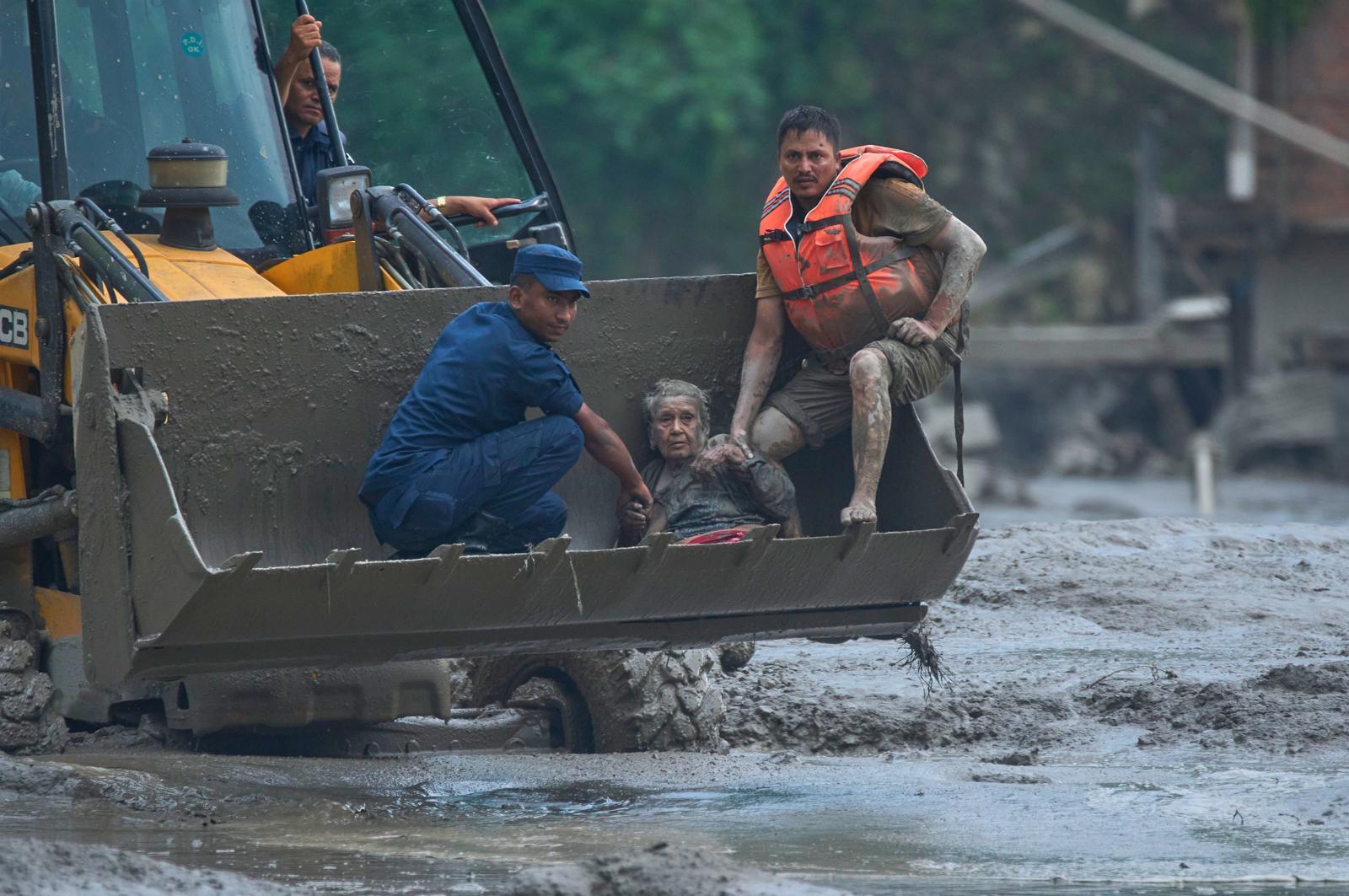
The death toll from a devastating flash flood in the Himalayas, near the Nepal-China border, has climbed to at least 160, with 403 people reported missing. Among the missing are 341 foreign nationals, including nine South Korean workers involved in a hydroelectric power plant construction project.
Nepalese authorities have recovered 157 bodies, bringing the total confirmed fatalities to 160, according to reports from the Associated Press and Reuters. The Nepal Tourism Board stated that the missing individuals include group tourists. Indian nationals account for the largest number of foreign missing persons, with 133, followed by 47 from the United States and 33 from the United Kingdom.
Initially, the U.S. Geological Survey (USGS) suggested an earthquake might have triggered the landslide and subsequent flood. However, further analysis indicates that a glacial collapse, not an earthquake, was the cause. The USGS reported seismic wave events consistent with a glacial collapse and debris flow, which then caused catastrophic downstream effects.
We judge that the event was caused by a glacial collapse and debris flow, which then caused a chain of catastrophic impacts downstream.
Experts from the International Centre for Integrated Mountain Development (ICIMOD) believe an ice and rock avalanche from a glacier in Nepal blocked the river. The subsequent failure of this natural dam released a torrent of water, causing the devastating flood. This event is likely linked to the melting of Himalayan glaciers due to global warming, leading to large-scale avalanches.
Nine South Korean employees from Korea South-East Power and Doosan Enerbility, working on a hydroelectric plant, have lost contact, and 10 others from Doosan Enerbility are stranded at the site. South Korea's Ministry of Foreign Affairs has established an emergency response headquarters and plans to dispatch a joint government rapid response team to assist in search and rescue operations for its citizens.
It appears that an ice-rock avalanche from a glacier in Nepal blocked the river, and then burst, causing water to pour downstream.
About this summary
Originally published by Dong-A Ilbo in Korean. Translated, summarized, and contextualized automatically by DistantNews, with a note on how the source frames the story. Not individually reviewed before publishing. How this works.
More Stories


From Our Blog

What Gets Lost (and Found) When News Is Translated

The Critical Role of Diaspora Media in Global News

What Travellers Should Know About Countries with Restricted Press

A Digital Nomad's Guide to Following Local News

How the Same Story Looks Different in Different Countries
