


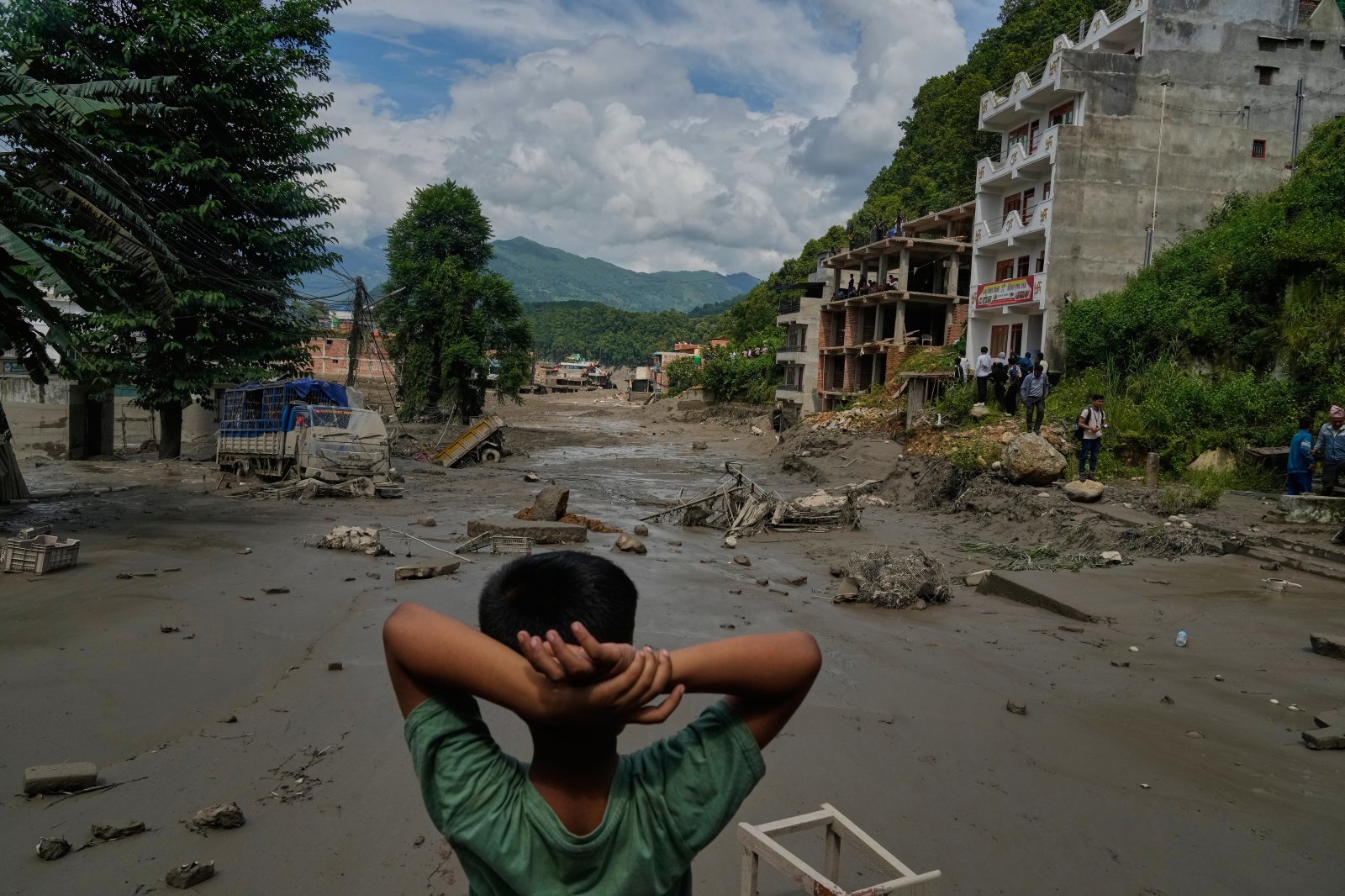
 Image: 연합뉴스
Nepal floods caused by upper glacier collapse, not earthquake, scientists say
Translated from Korean and summarized by DistantNews. Read the original for the full story.
At a glance
News
Sources not specified
Outcome reported
- A massive flood in Nepal's northern Himalayas has caused around 500 deaths and disappearances.
- Scientists analyze the flood, concluding it resulted from an upper glacier collapse, not an earthquake.
- The analysis indicates a large ice mass in the Himalayan region disintegrated on its own.
A devastating flood in Nepal's northern Himalayan region, near the Chinese border, has claimed the lives of approximately 500 people, with many others still missing. Initial assumptions pointed towards an earthquake as the cause, but scientific analysis now suggests a different, more unusual culprit: a self-induced collapse of an upper glacier.
While the Nepalese government initially estimated the disaster was triggered by seismic activity, subsequent investigations by scientists have revealed that a massive ice mass in the mountainous terrain disintegrated without any preceding earthquake. This finding shifts the understanding of the event, highlighting the potential for natural disasters to occur independently of seismic triggers in the fragile Himalayan ecosystem.
The analysis indicates that the catastrophic event on October 26 involved the spontaneous collapse of a significant portion of the glacier. This self-destruction of a large ice mass underscores the complex and sometimes unpredictable nature of geological and climatic phenomena in high-altitude regions. The implications for disaster preparedness and understanding climate change impacts in the Himalayas are significant.
About this summary
Originally published by Chosun Ilbo in Korean. Translated, summarized, and contextualized automatically by DistantNews, with a note on how the source frames the story. Not individually reviewed before publishing. How this works.
More Stories


From Our Blog

What Gets Lost (and Found) When News Is Translated

The Critical Role of Diaspora Media in Global News

What Travellers Should Know About Countries with Restricted Press

A Digital Nomad's Guide to Following Local News

How the Same Story Looks Different in Different Countries
