

Nepal Flood Death Toll Rises to 616; Morgues Overwhelmed
Translated from English and summarized by DistantNews. Read the original for the full story.
At a glance
News
Named sources
Ongoing story
- Nepal authorities have recovered 616 bodies following a flash flood on August 26, with the death toll and number of injured rising.
- The Himalayan nation faces a severe shortage of morgue space, with temporary facilities being set up to store the increasing number of victims.
- Rescue operations in some areas have been temporarily suspended due to heavy rainfall and adverse weather conditions, complicating recovery efforts.
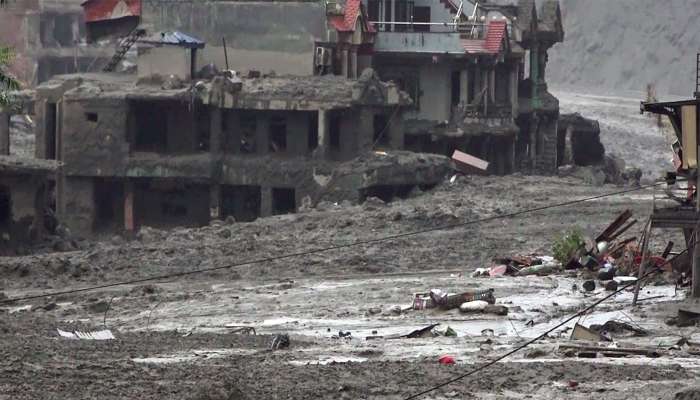
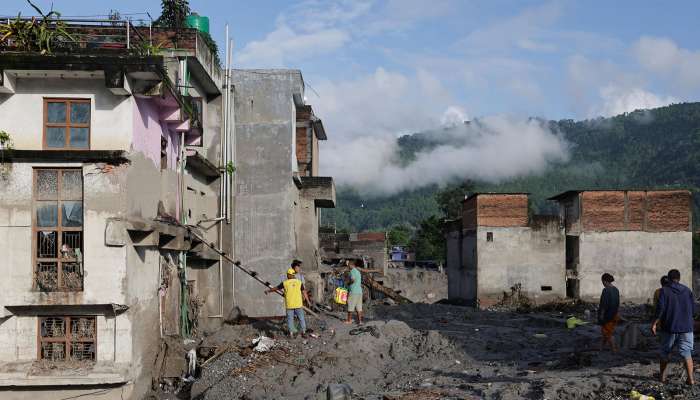
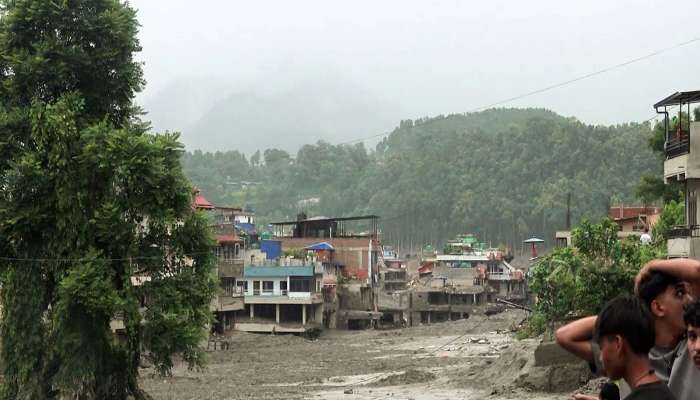
The death toll from the August 26 flash flood in Nepal has risen to 616, with authorities continuing to recover bodies from affected areas. The disaster has also resulted in 2,301 people being injured and rescued, according to Nepal Police.
Chitwan district has reported the highest number of fatalities with 233, followed by Nawalparasi (East) with 158. Other affected districts include Gorkha, Nawalparasi (West), Dhading, Nuwakot, Tanahun, and Rasuwa. Police have deployed 4,811 personnel for rescue and relief operations across the flood-hit regions.
A critical challenge facing the authorities is the severe lack of morgue capacity. Nepal's morgues can only store approximately 350 bodies nationwide, leading to a shortage of space for victims awaiting identification and collection by families. Chitwan district's morgue is already full, prompting the establishment of temporary storage facilities. Hospitals in Pokhara are also reporting overflowing morgues.
Superintendent Rameshwor Paudel of Nepal Police described the meticulous process of recovering bodies from the river, including photographing and cleaning them before storing them in a temperature-controlled environment. This procedure is crucial for identification, especially when relatives inquire about missing persons.
Meanwhile, rescue operations in the Trishuli region have been temporarily halted due to intensified rainfall and rising river levels. Adverse weather conditions have also forced authorities to evacuate residents from areas near the rising river as a precautionary measure. While the road between Kathmandu and Mugling is largely operational, a one-kilometer stretch in Dhading is under one-way traffic control.
All of the bodies are being recovered from the river by deploying the police team. We first retrieve the bodies from the river, take close-up photos of the bodies; if the body is not clear, then we first clean the bodies and then keep them in the body bag, tag it and bring it to this temporary body management location. Here, we maintain the room temperature at zero degrees in the AC. We have been doing it because there is a problem in identifying the bodies of the victims. If some of the relatives of the missing persons come to inquire, then we display the photos of the recovered bodies. If they identify the bodies of their missing relatives, then we will hand them over after completing the procedures.
About this summary
Originally published by Times of Oman in English. Translated, summarized, and contextualized automatically by DistantNews, with a note on how the source frames the story. Not individually reviewed before publishing. How this works.
More Stories
From Our Blog

What Gets Lost (and Found) When News Is Translated

The Critical Role of Diaspora Media in Global News

What Travellers Should Know About Countries with Restricted Press

A Digital Nomad's Guide to Following Local News

How the Same Story Looks Different in Different Countries
