


Nepal floods kill at least 160, with 403 missing
Translated from Korean and summarized by DistantNews. Read the original for the full story.
At a glance
News
From a news agency
Outcome reported
- At least 160 people have died in severe floods and landslides in Nepal's northern Himalayan region, with 403 others missing, including 341 foreign nationals.
- The disaster was caused by a glacial lake outburst flood, initially misidentified as an earthquake, exacerbated by warming temperatures in the Himalayas.
- The floods have destroyed villages, washed away bridges, and impacted hydropower construction sites, prompting the dispatch of a rapid response team from South Korea.
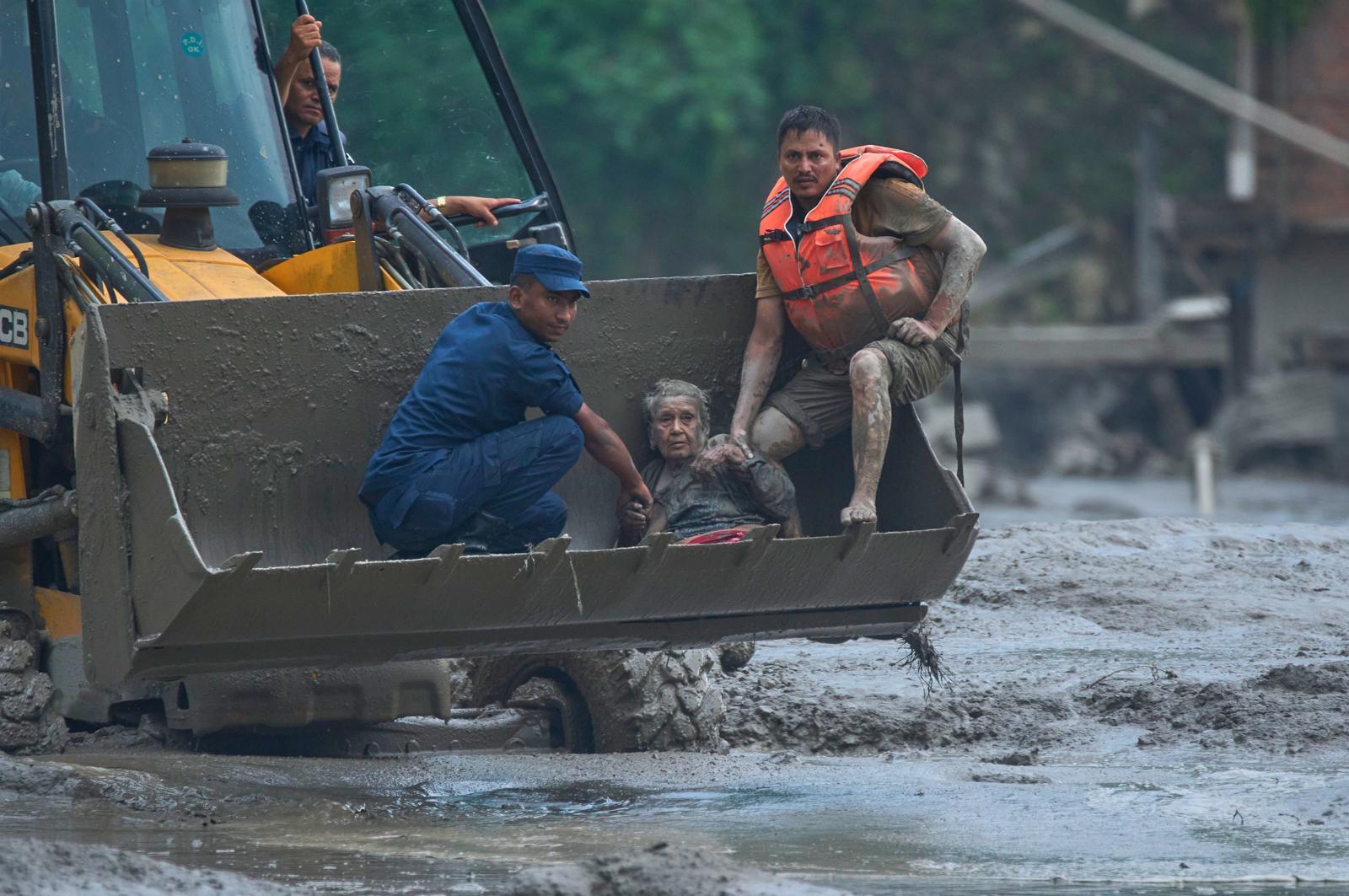
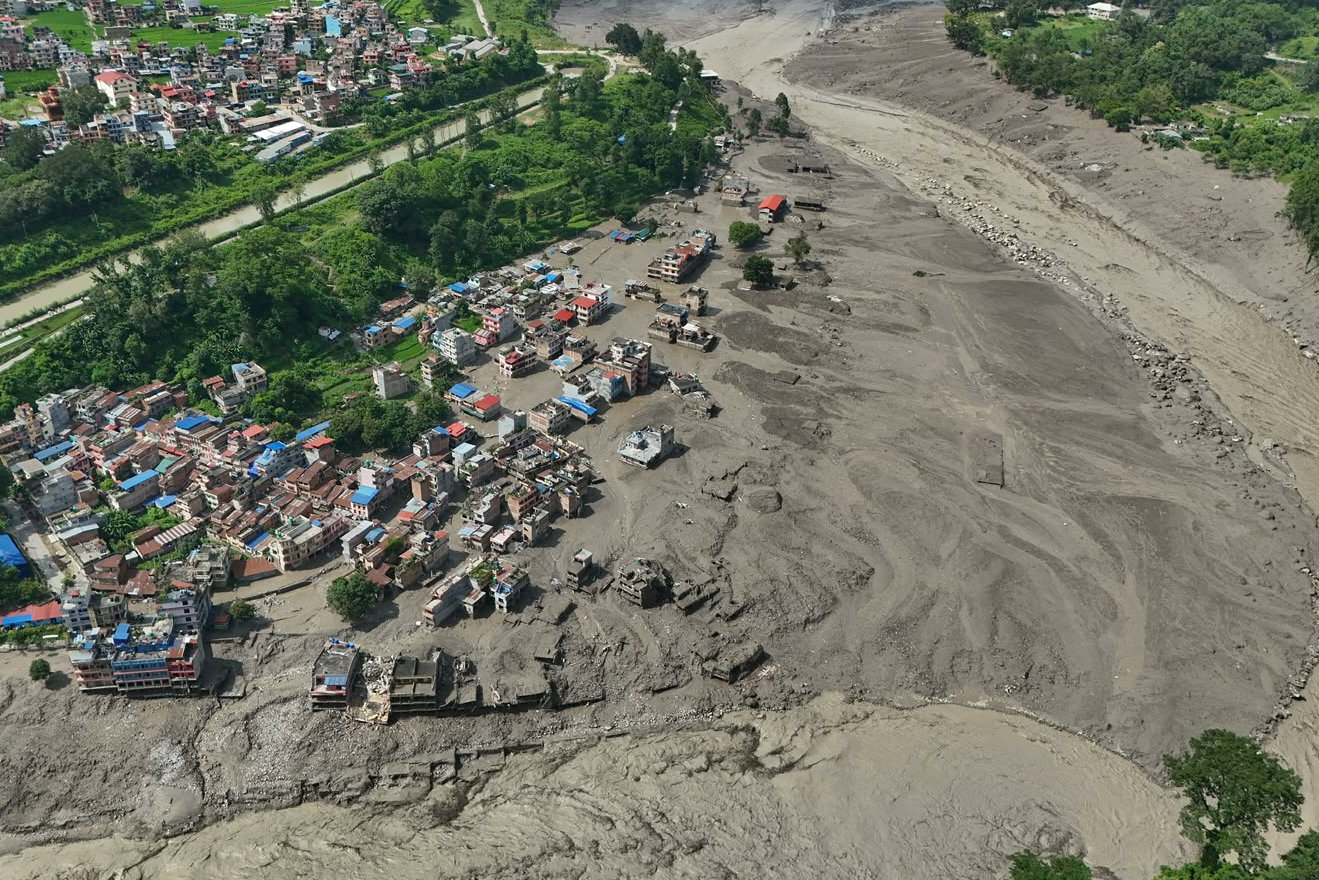
A devastating flood in Nepal's northern Himalayan region has claimed at least 160 lives, with a staggering 403 people, including 341 foreign tourists, still missing. The torrent of water and debris swept through villages, obliterating homes and washing away 19 bridges.
Initially suspected to be triggered by a magnitude 4.4 earthquake, the U.S. Geological Survey (USGS) later corrected its assessment. The event was reclassified as a magnitude 5.2 glacial lake outburst flood. Experts from the International Centre for Integrated Mountain Development (ICIMOD) suggest that warming temperatures in the Himalayas likely caused a large avalanche of snow from a glacier to dam a river. When this dam burst, it unleashed a catastrophic flash flood downstream.
We have determined that the event was caused by a glacial collapse and debris flow, which caused a chain of catastrophic impacts downstream.
The disaster has had a wide-reaching impact, affecting hydropower construction sites and leaving 28 police officers unaccounted for. Among the missing are nine South Korean nationals working at a local hydropower plant. In response, the South Korean government is deploying a joint rapid response team.
The scale of destruction is immense, with entire villages submerged in mud. The event highlights the increasing vulnerability of the Himalayan region to climate change-induced disasters, as melting glaciers and altered weather patterns contribute to more frequent and severe events.
It is highly likely that a large avalanche of snow from a glacier in the warming Himalayan region blocked the river, and when this dam burst, a flash flood poured out.
About this summary
Originally published by Hankyoreh in Korean. Translated, summarized, and contextualized automatically by DistantNews, with a note on how the source frames the story. Not individually reviewed before publishing. How this works.
More Stories

From Our Blog

What Gets Lost (and Found) When News Is Translated

The Critical Role of Diaspora Media in Global News

What Travellers Should Know About Countries with Restricted Press

A Digital Nomad's Guide to Following Local News

How the Same Story Looks Different in Different Countries
