



Nepal ruling party lawmakers show no signs of holding their government to account
Summarized by DistantNews. Read the original for the full story.
At a glance
News
Sources not specified
Context piece
- Lawmakers from Nepal's Rastriya Swatantra Party (RSP) have remained silent on the Lipulekh border issue, a stark contrast to their previous vocal stance.
- The RSP, now leading the government, has not raised concerns about India and China reopening a pilgrimage route without Nepal's input, a move they previously decried as a violation of sovereignty.
- This shift in behavior highlights a change in parliamentary dynamics, with the party now in power and its former protest tactics being mirrored by the opposition.
Lawmakers from Nepal's Rastriya Swatantra Party (RSP) have adopted a conspicuous silence on the Lipulekh border issue, a significant departure from their previous vocal activism. The party, which now leads the government, has not raised concerns in parliament regarding India and China's agreement to reopen a pilgrimage route without Nepal's consultation.
This silence contrasts sharply with the RSP's past parliamentary actions. In 2025, the party repeatedly obstructed House proceedings, demanding investigations into alleged visa scams. Then-Prime Minister KP Sharma Oli faced demands to address parliament on the Lipulekh issue, with lawmakers like Ganesh Parajuli calling the India-China agreement a violation of Nepal's sovereignty and international law.
The agreement between India and China to use the Lipulekh route without Nepal’s involvement is against international law.
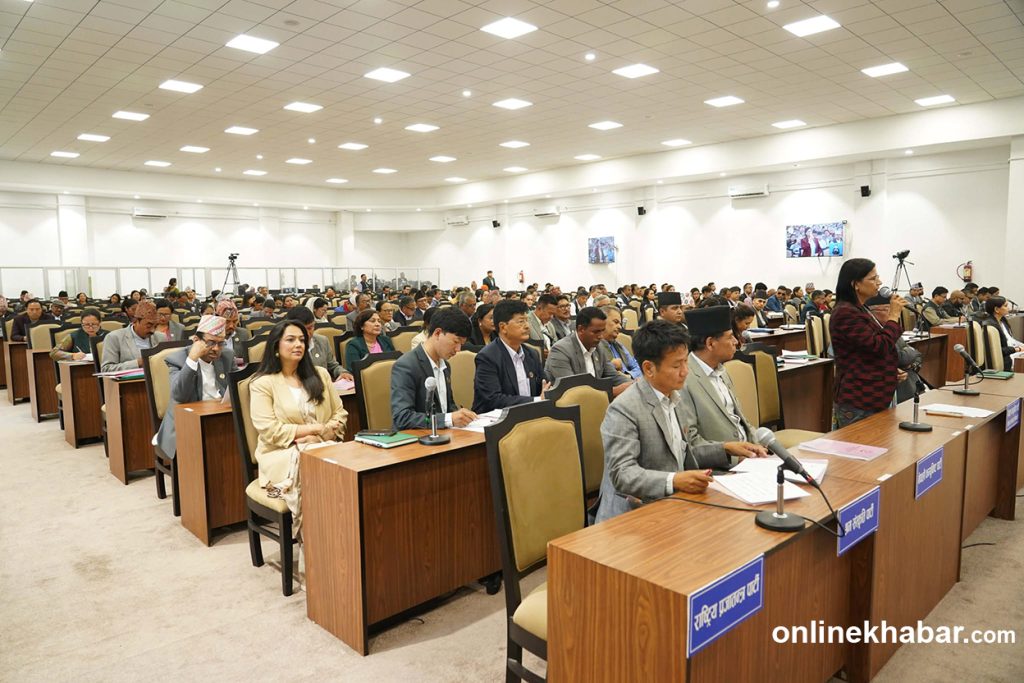
Now, with the RSP holding a near two-thirds majority, the political landscape has shifted. The current Speaker, DP Aryal, who previously joined protests, now presides over the House, allowing business to proceed despite opposition demonstrations. The opposition parties, including the Nepali Congress and CPN-UML, are now employing tactics like protesting in the well of the House, a role previously occupied by the RSP.
People are asking why the government is silent on such a sensitive issue. Parliament must arrive at a common national position.
About this summary
Originally published by Kathmandu Post. Summarized and contextualized automatically by DistantNews, with a note on how the source frames the story. Not individually reviewed before publishing. How this works.
More Stories

From Our Blog

News in Translation: What Gets Lost, and How We Keep the Framing

Diaspora Media: How Communities Abroad Follow Home

Traveling Where the Press Is Not Free: How to Read the News There

The Digital Nomad's Guide to Local News

The Same Story, Different Countries: How Coverage Changes at the Border
