



Nepal’s climate bill demands stronger social debate
Translated from Korean and summarized by DistantNews. Read the original for the full story.
At a glance
Analysis
Documents & data
Context piece
- A Himalayan glacier collapse in Nepal triggered a devastating flood that killed at least 1,250 people and left about 4,200 missing, according to the article.
- The article argues that climate change is also disrupting economic infrastructure, citing reduced Panama Canal traffic and rising tolls amid water shortages.
- It says Verisk projects annual economic losses from natural disasters could reach about $450 billion, while 62% of potential losses remain uninsured.
Nepal’s Himalayan floods offer a grim warning about the climate disasters ahead. On August 26, bedrock beneath a Himalayan glacier collapsed, sending a glacier fragment measuring 1 to 1.3 kilometers wide down the mountain. The ice dragged huge amounts of sediment with it, and the river level rose by nine meters in just 30 minutes.
At least 1,250 people have been confirmed dead and about 4,200 remain missing, the article says. Less widely known, it adds, is that Himalayan glaciers in Nepal collapsed three times during 2025 alone.
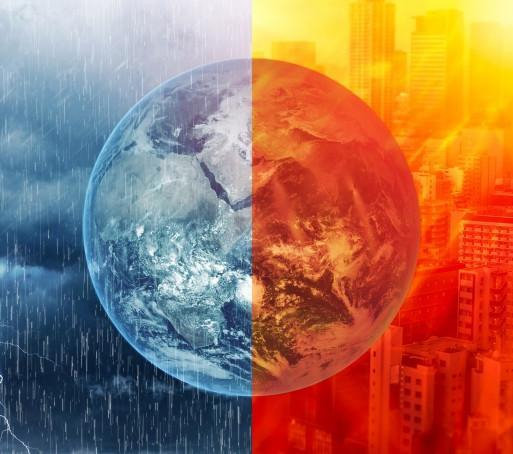
The climate bill extends beyond spectacular disasters. Heatwaves are becoming more frequent, longer and more intense. Droughts are worsening, crop failures are increasing, and wildfires and severe storms are becoming more common. These effects are already reaching the small gaps in the economic and industrial infrastructure that people have taken for granted.
Shipping is one industry on the front line. The Panama Canal handles more than 3% of global maritime trade, but declining rainfall has increasingly forced it to limit ship traffic and raise tolls. Because of rainfall shortages and lower water levels linked to El Niño, daily traffic is due to fall from 36 ships in August to 32 from the 15th of this month. Average tolls reached about $1.1 million in August, more than 16 times the August 2025 average, after rising partly when the Strait of Hormuz was closed.
Verisk, an insurance-loss modeling company, forecasts that annual economic losses from natural disasters could reach about $450 billion. Roughly 62% of losses faced by households, businesses and governments are not insured, the article says. Global insured losses exceeded $100 billion in 2025 even as major insurers reduced investment or tightened coverage in areas increasingly exposed to climate disasters.
A recent United Nations Environment Programme report said global temperatures are highly likely to rise above 1.5°C over preindustrial levels in the coming years. The article argues that this could mean current projections, which put warming at around 1.3°C, significantly underestimate future losses. It calls for stronger social debate on climate action before the costs grow further.
About this summary
Originally published by Hankyoreh in Korean. Translated, summarized, and contextualized automatically by DistantNews, with a note on how the source frames the story. Not individually reviewed before publishing. How this works.
More Stories


From Our Blog

News in Translation: What Gets Lost, and How We Keep the Framing

Diaspora Media: How Communities Follow News From Home

Traveling Where the Press Is Not Free: How to Read the News There

The Digital Nomad's Guide to Local News

The Same Story, Different Countries: How Coverage Changes at the Border
