



Nepal's Congress, UML Revive Rotational Politics Amidst Provincial Government Talks
Translated from English and summarized by DistantNews. Read the original for the full story.
At a glance
News
Named sources
Context piece
- Nepali political parties are negotiating to reshuffle provincial governments, reviving a rotational power-sharing system.
- The Nepali Congress and CPN-UML are discussing new coalition equations, potentially affecting six of the seven provinces.
- This move draws criticism as it mirrors the 'old-style power politics' leaders had pledged to end.
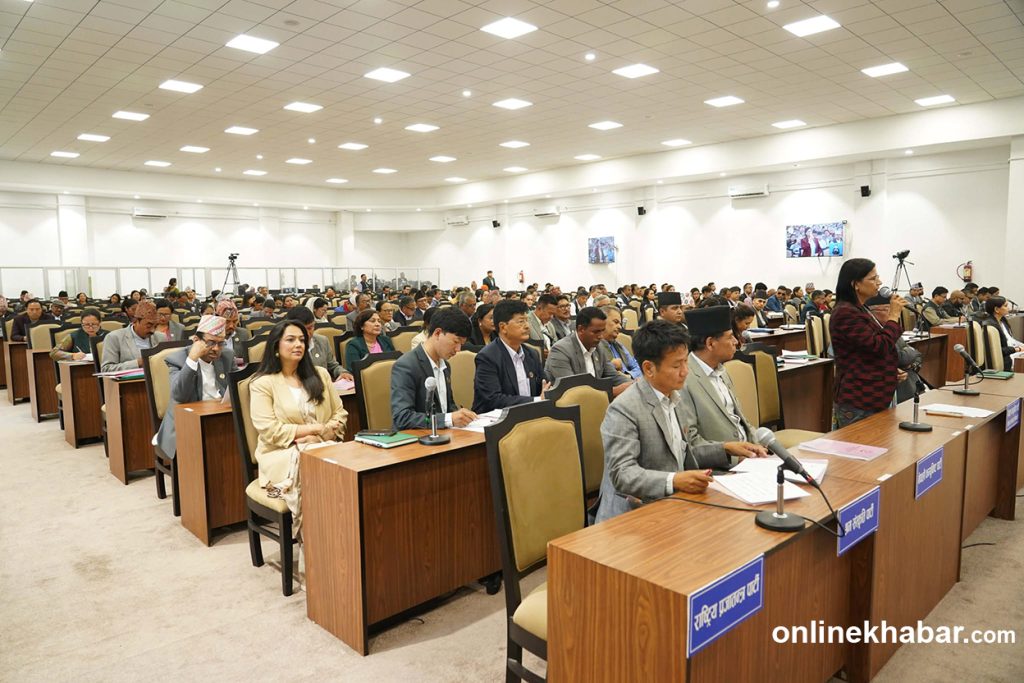
Kathmandu Post, a leading Nepali publication, reports on the familiar dance of political maneuvering as the Nepali Congress and CPN-UML engage in talks to reshuffle provincial governments. The revival of the rotational power-sharing system, a practice these parties themselves have previously decried for fostering instability, is once again at the forefront of political discussions. This cycle of turn-by-turn leadership, particularly in six of the seven provinces, highlights a persistent challenge in Nepali governance.
Both parties have differing views on whether restructuring should take place before or after the budget speech. Once that issue is resolved, the process of reshuffling governments will move forward.
Senior leaders from both parties have been meeting to forge a new arrangement, with Madhesh province expected to remain unchanged. However, the potential for new chief ministers and coalition shifts in other provinces signals a significant shake-up. This development is particularly noteworthy given recent pledges by Congress leaders, such as Gagan Kumar Thapa and Bishwo Prakash Sharma, to usher in a 'Congress 2.0' – a reform-oriented approach aimed at dismantling 'old-style power politics.' Their current involvement in the same power-sharing bargain has inevitably drawn criticism from within their own party and from opposition figures.
Decisive talks are underway with Congress but disagreements remain over Sudurpaschim province and how to accommodate the Nepali Communist Party (NCP) in the power-sharing arrangement.
The negotiations, spearheaded by Sharma for the Congress and involving UML chairman KP Oli, are inching closer to a power-sharing deal. Disagreements persist, however, particularly concerning the Sudurpaschim province and the inclusion of the Nepali Communist Party (NCP) in the arrangement. While Congress aims to retain leadership in its current four provinces, Oli is keen on accommodating the NCP, which is reportedly demanding leadership in Sudurpaschim, where it holds the largest number of seats in the provincial assembly. This intricate web of alliances and demands underscores the complex dynamics of coalition politics in Nepal, where stability often appears elusive.
I understand Congress has taken a position that it should lead four provinces. But the NCP is also claiming Sudurpaschim, and our party chairman wants to accommodate it.
About this summary
Originally published by Kathmandu Post in English. Translated, summarized, and contextualized automatically by DistantNews, with a note on how the source frames the story. Not individually reviewed before publishing. How this works.
More Stories

From Our Blog

News in Translation: What Gets Lost, and How We Keep the Framing

Diaspora Media: How Communities Abroad Follow Home

Traveling Where the Press Is Not Free: How to Read the News There

The Digital Nomad's Guide to Local News

The Same Story, Different Countries: How Coverage Changes at the Border
