


Nepal’s Trade Gateway Damaged as Foreign Aid Shrinks, Leaving $7 Billion Reconstruction Bill in Doubt
Translated from Korean and summarized by DistantNews. Read the original for the full story.
At a glance
News
Named sources
Ongoing story
- Nepal faces reconstruction costs of about $5 billion after devastating floods damaged hydropower facilities, roads and a key trade route.
- Prime Minister Balendra Shah said more than $42 million in aid had arrived, covering about 8% of the government’s estimated reconstruction needs.
- Aid prospects are uncertain as developed countries reduce assistance, while the disaster threatens electricity exports, imports, tourism and the government’s political support.
Nepal’s flood search effort may be nearing an end, but rebuilding the devastated areas could prove far harder. The damage is enormous relative to the country’s economic capacity, and key foundations of the economy, including hydropower and trade routes, have been hit.
Friends, domestic and international relief organizations, the media and all other stakeholders have shown exemplary goodwill and support.
Prime Minister Balendra Shah said on Facebook that more than $42 million in aid had arrived since the floods of Sept. 26, with further support expected. That amount represents only about 8% of the government’s estimated reconstruction cost of $5 billion. Nepal, one of the world’s poorest countries, has limited ability to finance the work itself. World Bank figures put its per-capita income last year at $1,536, roughly 60% of Bangladesh’s.
Hydropower has suffered especially heavy damage. Nepal exported $198 million worth of electricity to neighboring countries including India last year, and the World Bank has projected that completed hydropower projects could add $3 billion to gross domestic product by 2033. The floods damaged 12 hydropower plants with combined capacity of more than 400 megawatts. Bhim Prasad Gautam of the Independent Power Producers’ Association Nepal estimated losses at $850 million and said development plans could be pushed back five or six years.
Few people expect support on a similar level this time.
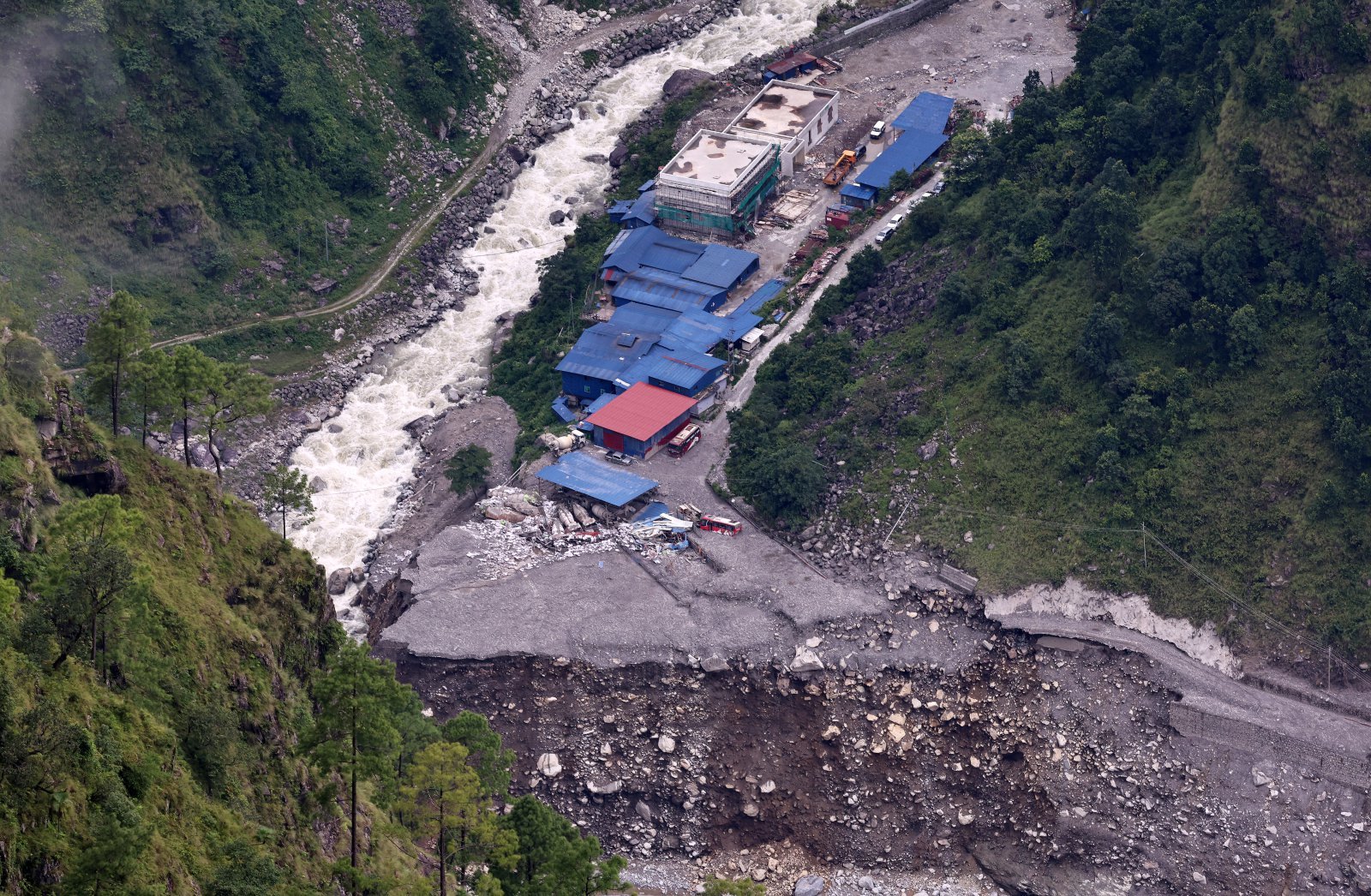
Trade and tourism also face disruption after the destruction of China’s Gyirong port, a gateway linking Tibet and Nepal. A quarter of Chinese imports entering Nepal last year passed through the route, which also carried tourists and pilgrims. With large trucks and container vehicles unable to use the road, analysts warned that imports of clothing and household goods could fall and consumer prices could rise.
The international situation in the area of financial support is completely different from around 2015.
The disaster is also testing Shah’s political standing. Opposition figures have criticized the central government’s coordination with local authorities and the slow opening of routes into affected areas. A decision to bury unidentified bodies instead of following Nepal’s Hindu cremation tradition has also drawn public anger. Shah said officials were working in affected areas to distribute relief and that unidentified bodies would be handled while preserving DNA and other information that could help establish their identities.
Large trucks and container vehicles cannot travel on this road.
About this summary
Originally published by Hankyoreh in Korean. Translated, summarized, and contextualized automatically by DistantNews, with a note on how the source frames the story. Not individually reviewed before publishing. How this works.
More Stories


From Our Blog

What Gets Lost (and Found) When News Is Translated

The Critical Role of Diaspora Media in Global News

What Travellers Should Know About Countries with Restricted Press

A Digital Nomad's Guide to Following Local News

How the Same Story Looks Different in Different Countries
