


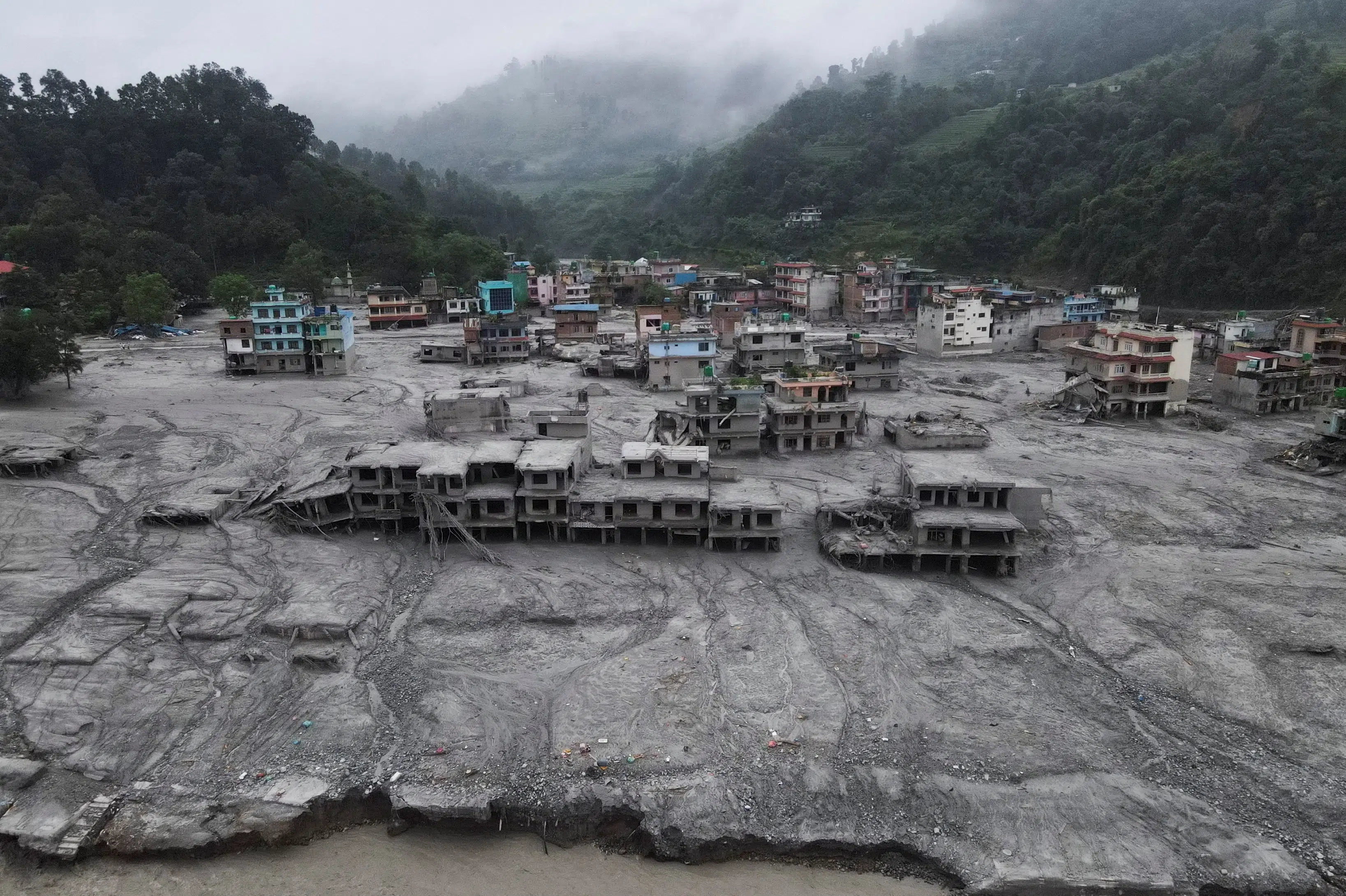
Nepal seeks foreign expertise after deadly floods
Translated from Danish and summarized by DistantNews. Read the original for the full story.
At a glance
News
From a news agency
Ongoing story
- Nepal has requested specialized foreign assistance for technical challenges following devastating floods.
- The country needs help with tunnel rescues, restoring transport and communication lines, and identifying victims.
- Hundreds have died and thousands are missing, including foreign tourists, after a glacial lake outburst flood.
Nepal is appealing for international technical and specialized expertise to aid its recovery from devastating floods that swept away villages and claimed hundreds of lives. Foreign Minister Shisir Khanal stated that the nation lacks the necessary skills in critical areas, including rescuing people trapped in tunnels and reopening vital transport and communication links severed by the disaster.
Nepal has need of specialized and technical help from abroad after Wednesday's devastating floods, which have claimed hundreds of lives.
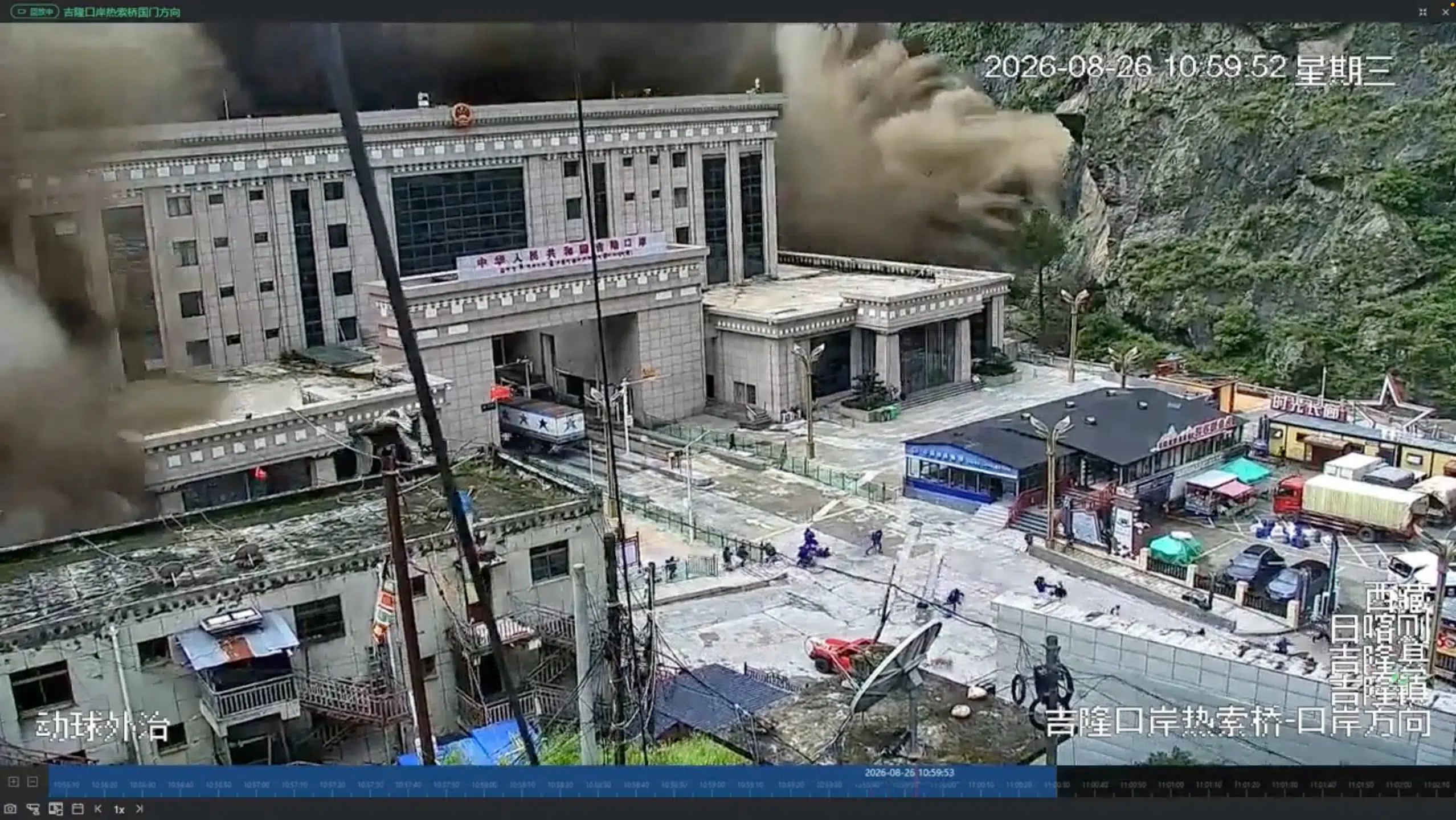
The country also requires foreign assistance for the identification of the deceased, including DNA testing and long-term body storage. The floods, triggered by a glacial lake outburst, unleashed a tsunami-like wall of debris that devastated a border region between Nepal and Tibet. Official figures report nearly 600 deaths, with over 2,400 people still missing, a number that includes hundreds of foreign tourists.
The country does not have the technical expertise in a number of areas itself.
Nepal has specifically requested temporary bridges from India and China to quickly restore connectivity in the affected areas where numerous bridges were destroyed. Emergency teams are working tirelessly to find survivors amidst widespread destruction, with dwindling supplies of food and water reported. The search efforts are hampered by the threat of further flooding, as large artificial lakes formed by the ice and mud pose a direct danger to rescue personnel.
This includes rescue of people trapped in tunnels.
About this summary
Originally published by Berlingske in Danish. Translated, summarized, and contextualized automatically by DistantNews, with a note on how the source frames the story. Not individually reviewed before publishing. How this works.
More Stories


From Our Blog

What Gets Lost (and Found) When News Is Translated

The Critical Role of Diaspora Media in Global News

What Travellers Should Know About Countries with Restricted Press

A Digital Nomad's Guide to Following Local News

How the Same Story Looks Different in Different Countries
