

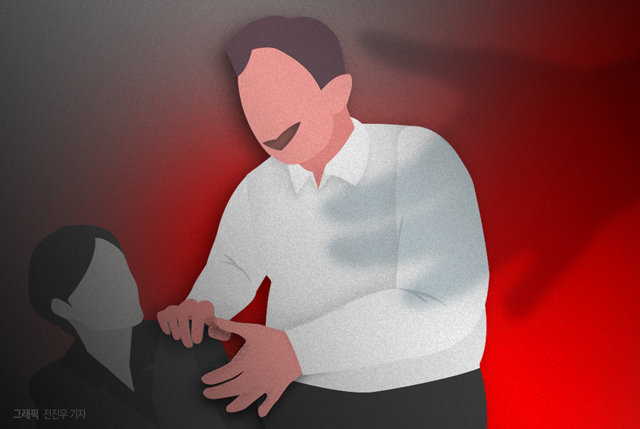

Nephew's Kitchen Knife Defense Against Threatening Uncle Deemed Justifiable by Supreme Court
Translated from Korean, summarized and contextualized by DistantNews.
At a glance
News
Sources not specified
Outcome reported
- A nephew defended himself with a kitchen knife against his uncle, who was threatening him with physical violence and scissors.
- The Supreme Court ruled that the nephew's actions constituted justifiable self-defense.
- The ruling emphasizes the legal boundaries of self-defense when facing immediate threats.
South Korea's Supreme Court has ruled that a nephew's use of a kitchen knife to defend himself against his uncle constituted justifiable self-defense. The incident occurred when the uncle allegedly threatened the nephew with physical assault and a pair of scissors.
The court's decision recognized the immediate danger posed by the uncle's actions. The nephew, facing a credible threat of harm, resorted to using a readily available household item to protect himself from the escalating aggression.
This ruling underscores the legal principle that individuals have the right to defend themselves against imminent threats. The court determined that the nephew's response was proportionate to the danger he faced, thereby absolving him of criminal liability for his actions.
The case highlights the complexities of self-defense laws and their application in situations involving family disputes. The Supreme Court's judgment provides clarity on the circumstances under which using force, even potentially lethal force, can be deemed legally permissible.
DistantNews Editorial
Originally published by Chosun Ilbo in Korean. Translated, summarized, and contextualized by our editorial team with added local perspective. Read our editorial standards.
More Stories


From Our Blog

What Gets Lost (and Found) When News Is Translated

The Critical Role of Diaspora Media in Global News

What Travellers Should Know About Countries with Restricted Press

A Digital Nomad's Guide to Following Local News

How the Same Story Looks Different in Different Countries
