


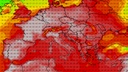
New extreme heatwave expected in Croatia, records falling across Europe
Translated from Croatian, summarized and contextualized by DistantNews.
At a glance
News
From a news agency
Ongoing story
- Croatia is bracing for a new extreme heatwave, with temperatures expected to rise significantly from Tuesday to Thursday.
- Several European countries, including France, Spain, and Germany, are already experiencing record-breaking temperatures and have issued high-level heat warnings.
- Scientists attribute these intense heatwaves to climate change, noting that Europe is warming faster than most other regions globally.
Croatia is preparing for another extreme heatwave, with weather forecasts predicting a gradual temperature increase from Tuesday through Thursday. The Croatian Meteorological and Hydrological Service (DHMZ) anticipates predominantly sunny and hot conditions, with light winds inland and variable winds along the Adriatic coast.
Across Europe, the heatwave continues to intensify, with many countries issuing their highest level of warnings. France has recorded its highest average daily and nightly temperatures since 1947, with Paris exceeding 40°C on multiple occasions. Spain has seen temperatures soar above 45°C in some regions, while Germany and the Netherlands are also experiencing conditions around 40°C.
These extreme temperatures have already been linked to an increase in heat-related deaths, particularly among the elderly. In Spain, statistical models suggest hundreds of potential heat-related fatalities. The intense heat is also straining power grids, causing traffic disruptions, and leading authorities to close schools and limit outdoor work.
Scientists emphasize that such heatwaves bear the clear imprint of climate change. Europe is warming at a faster rate than most of the world, leading to more frequent, intense, and prolonged extreme heat events. Analyses indicate that June heatwaves of this intensity would have been nearly impossible without the influence of human-caused global warming.
While some western parts of the continent may see gradual relief, the heat is expected to persist longer in central and eastern Europe. Authorities are advising citizens to avoid sun exposure during the hottest hours and to take necessary precautions.
DistantNews Editorial
Originally published by Večernji List in Croatian. Translated, summarized, and contextualized by our editorial team with added local perspective. Read our editorial standards.
More Stories



From Our Blog

What Gets Lost (and Found) When News Is Translated

The Critical Role of Diaspora Media in Global News

What Travellers Should Know About Countries with Restricted Press

A Digital Nomad's Guide to Following Local News

How the Same Story Looks Different in Different Countries
