

New Jersey begins restoration work to bring back forest and wetland habitat along Raritan river
Summarized and contextualized by DistantNews.
At a glance
News
Official statement
New plan
- New Jersey has initiated a 112-acre restoration project along the Raritan River.
- The project aims to re-establish forest and wetland habitats damaged by contamination from the American Cyanamid Superfund Site.
- The initiative involves planting native species, controlling invasive plants, and creating habitats for wildlife.
New Jersey is embarking on a significant environmental restoration project along the Raritan River, aiming to revive forest and wetland habitats impacted by contamination from the American Cyanamid Superfund Site. The 112-acre initiative, located on land owned by Duke Farms in Hillsborough, is part of a settlement designed to compensate for natural resource damages.
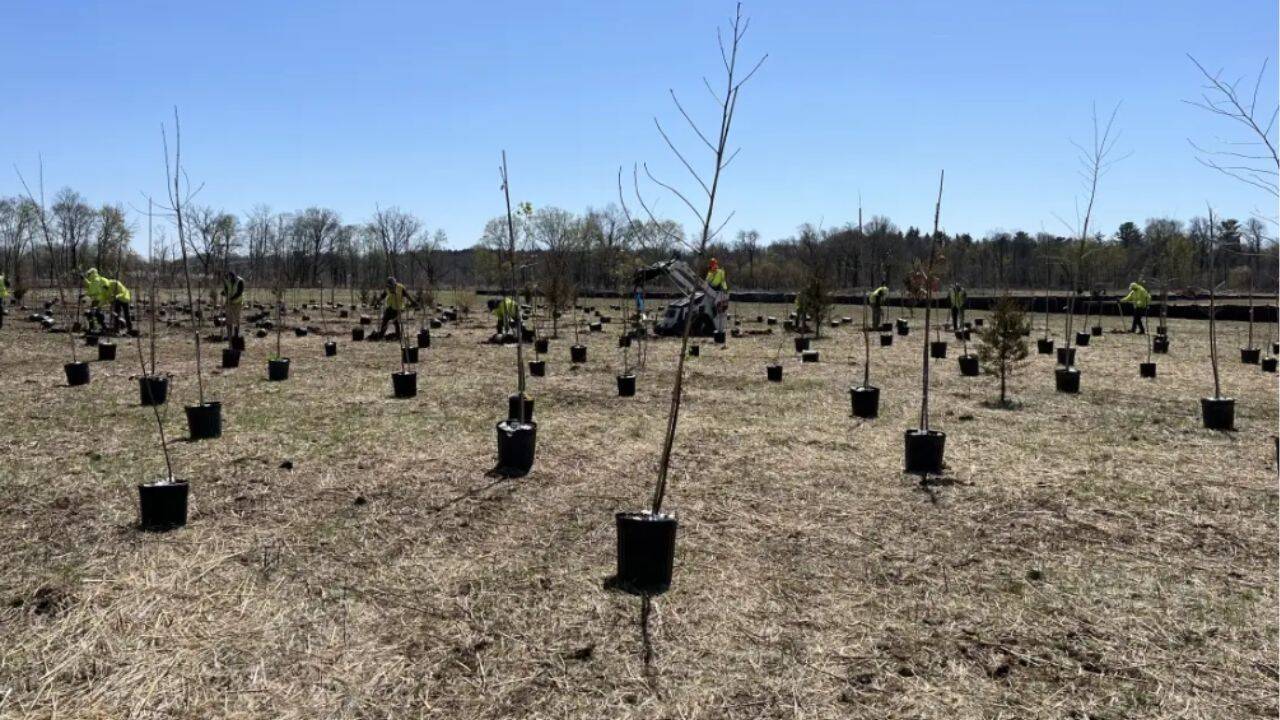
The project involves converting retired agricultural fields into diverse habitats, including floodplain forest and scrub-shrub areas adjacent to the Raritan River. A key component is the planting of approximately 50,000 native trees and shrubs, alongside intensive efforts to control invasive plant species that threaten native vegetation. The restoration will also create three acres of vernal pool habitat, crucial for amphibians, and plant native grasses and pollinator-friendly seeds to support insect populations.
This restoration effort stems from a settlement finalized on July 16, 2024, involving the U.S. Department of Justice, the State of New Jersey, and Wyeth Holdings LLC. The settlement addresses liability for past releases of hazardous substances near the American Cyanamid Superfund Site in Bridgewater, which affected various habitats along the Raritan River. The U.S. Fish and Wildlife Service, the National Oceanic and Atmospheric Administration (NOAA), and the New Jersey Department of Environmental Protection (NJDEP) are serving as Natural Resource Trustees, overseeing the use of settlement funds for the project and its ongoing monitoring.
Protection measures, such as a deer fence, will be installed to safeguard newly planted vegetation. The project's commitment extends beyond initial planting and construction, with 15 years of monitoring and adaptive management planned. This ensures the restoration's progress is assessed and adjusted as needed, guaranteeing the long-term success of re-establishing a healthy ecosystem for wildlife, including amphibians, insects, and birds.
DistantNews Editorial
Originally published by Times of India. Summarized and contextualized by our editorial team with added local perspective. Read our editorial standards.
More Stories

From Our Blog

What Press Freedom Means for the News You Read

What Gets Lost (and Found) When News Is Translated

The Critical Role of Diaspora Media in Global News

What Travellers Should Know About Countries with Restricted Press

A Digital Nomad's Guide to Following Local News
