

NGOs decry food scarcity in psychiatric hospitals; Health Commission announces service tender
Translated from Spanish, summarized and contextualized by DistantNews.
At a glance
News
Named sources
Context piece
- NGOs reported a critical shortage of food in Mexico City's psychiatric hospitals, endangering patients and staff.
- The Health Secretariat attributed the lack of meals to non-payment of an external catering company.
- International recommendations urge Mexico to dismantle its institutionalization system for people with disabilities.
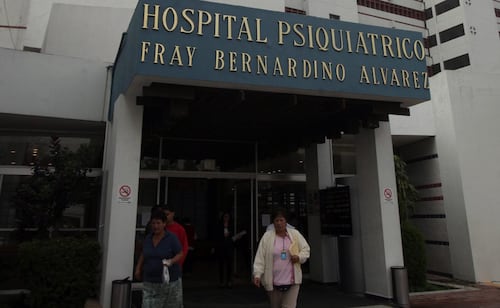
Human rights organizations are sounding the alarm over a severe food shortage in Mexico City's psychiatric hospitals, warning that the lives and well-being of patients with disabilities are at risk. Disability Rights International and the Movement of People with Disabilities highlighted the unacceptable situation in institutions like the Fray Bernardino Álvarez, Juan N. Navarro, and Samuel Ramírez Moreno hospitals.
"It is unacceptable that people with psychosocial disabilities admitted to public psychiatric hospitals in Mexico City, as well as the staff working in them, lack basic necessities such as access to food," the organizations stated in a joint release. They pointed out that these federal public institutions are directly overseen by the Ministry of Health and the National Commission for Mental Health and Addictions (Conasama).
Medical and sanitary staff at these hospitals have publicly denounced the food scarcity since June 10 through social media and other channels. The Secretary of Health, David Kershenobich, reportedly blamed the situation on non-payment to the external company responsible for the cafeteria service. As of the report, there was no official confirmation that meal services had resumed.
It is unacceptable that people with psychosocial disabilities admitted to public psychiatric hospitals in Mexico City, as well as the staff working in them, lack basic necessities such as access to food.
The NGOs argued that the federal government's failure to pay for food services effectively subjects patients to cruel, inhuman, and degrading treatment by depriving them of basic needs. They suggested that instead of increasing institutional funding, support should be directed to external community organizations to assist hospitalized individuals. Moving patients to community settings for meals could be a step towards ending institutional neglect.
One user of the Fray Bernardino Álvarez Hospital expressed the severity of the crisis, stating, "The situation has already gotten out of hand, it has already overflowed. I, who have been a patient since I was 18, have never seen this." This crisis comes in the wake of international scrutiny; in March 2026, a UN committee recommended that Mexico dismantle its system of institutionalizing people with disabilities and urgently implement deinstitutionalization policies.
The situation has already gotten out of hand, it has already overflowed. I, who have been a patient since I was 18, have never seen this.
DistantNews Editorial
Originally published by El Universal in Spanish. Translated, summarized, and contextualized by our editorial team with added local perspective. Read our editorial standards.
More Stories


From Our Blog

What Press Freedom Means for the News You Read

What Gets Lost (and Found) When News Is Translated

The Critical Role of Diaspora Media in Global News

What Travellers Should Know About Countries with Restricted Press

A Digital Nomad's Guide to Following Local News
