


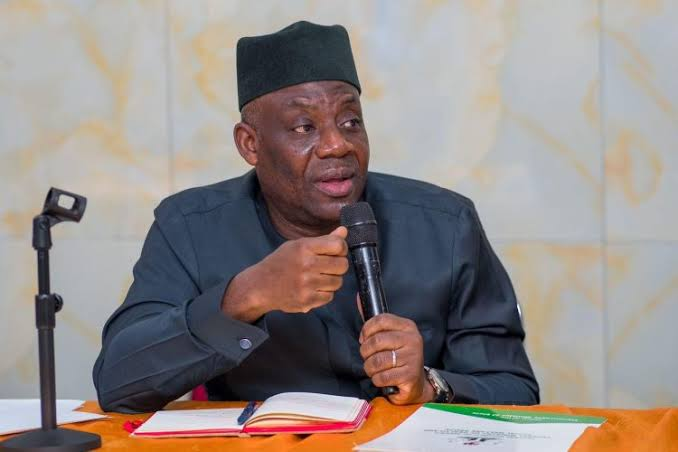
Nigeria Considers Scrapping Junior, Senior Secondary Education System
Translated from English, summarized and contextualized by DistantNews.
At a glance
News
Sources not specified
Context piece
- Nigeria's Minister of Education, Dr. Tunji Alausa, proposed merging Junior and Senior Secondary Schools into a single six-year course.
- Critics argue the merger would create administrative friction, dilute supervision, and misplace priorities, ignoring educational quality issues.
- Concerns include teacher shortages, delayed examination reports, and the logistical challenges of a uniform 12-year track across diverse regions.
Nigeria's Minister of Education, Dr. Tunji Alausa, has reignited debate with a proposal to scrap the current Junior Secondary School (JSS) and Senior Secondary School (SSS) system. The plan suggests merging these stages into a single, six-year educational program, allowing students to proceed directly to higher education or vocational training without the current transition points.
This is not the first time the idea has been floated; it was previously discussed in February 2025 but did not gain traction. Critics are raising significant concerns about the potential administrative and pedagogical consequences. A key worry is the "administrative hollow-out" of existing structures and potential jurisdictional overlaps, particularly given the decentralized nature of education management through State Universal Basic Education Boards (SUBEB).
Further objections center on the dilution of supervision and the demotivation of staff. Proponents of the current system argue that distinct JSS and SSS leadership ensures focused management and closer student monitoring. Splitting administrative roles also provides crucial career progression pathways for education officers. A merger, critics fear, could make schools unwieldy and negatively impact staff morale and career development.
The proposal also faces criticism for potentially misplacing priorities. While the government highlights the issue of out-of-school children, critics argue the focus should be on improving the quality of education. They point to persistent problems such as widespread teacher vacancies, the unemployment of trained professionals, and significant delays in the release of chief examiners' reports, which hinder efforts to address systemic student weaknesses. The geographical disparities in educational infrastructure, particularly the need for specialized facilities in secondary schools, also present a challenge to implementing a uniform, continuous 12-year track nationwide.
the government would rather merge JSS and SSS systems into one and allow students to go straight for a six-year education course, unlike when students can transit from JSS to technical colleges if they are not cut for academic journey.
DistantNews Editorial
Originally published by Vanguard in English. Translated, summarized, and contextualized by our editorial team with added local perspective. Read our editorial standards.
More Stories

From Our Blog

How the Same Story Looks Different in Different Countries

What Gets Lost (and Found) When News Is Translated

The Critical Role of Diaspora Media in Global News

What Travellers Should Know About Countries with Restricted Press

A Digital Nomad's Guide to Following Local News
