


Nigeria's $7 Billion Cassava Dream: From Root Crop to Industrial Powerhouse
Translated from English, summarized and contextualized by DistantNews.
At a glance
In-depth
Sources not specified
Context piece
- Nigeria, the world's largest cassava producer, is poised to transform the crop into a $7 billion industrial powerhouse.
- Despite its production dominance, Nigeria captures only 2% of the global cassava processing market, highlighting a significant opportunity for growth.
- New investments and innovations are repositioning cassava as a strategic industrial feedstock for various sectors, aiming to boost the economy and reduce import dependency.
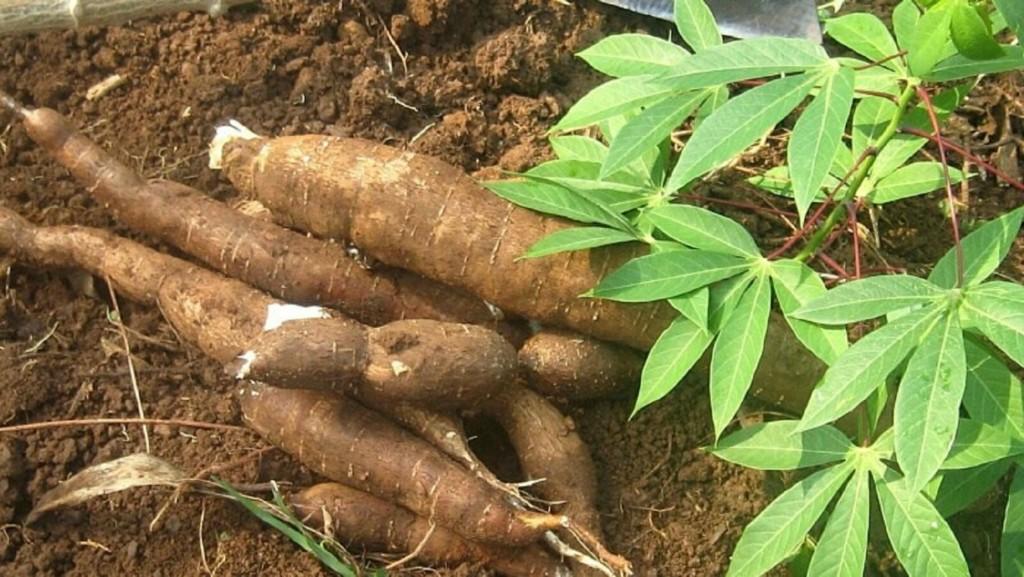
Nigeria, the world's largest producer of cassava, is on the cusp of a major agricultural and industrial transformation. The humble root, long a staple for traditional nutrition and a source of income for smallholder farmers like Mummy Ifunanya in Lagos, is being reimagined as a strategic industrial feedstock with the potential to reshape the nation's manufacturing landscape.
As it is for this petty farmer, so it is for so many cassava farmers scattered across the country, especially in rural areas. This makes the agricultural feedstock a visible companion in every Nigerian kitchen, while also keeping the majority involved in the cassava processing, gainfully employed.
While Nigeria harvests over 60 million metric tons of cassava annually, it currently captures a mere 2% of the $183 billion global cassava processing market. This stark contrast reveals a vast untapped potential. A new wave of investment and innovation is driving this shift, aiming to leverage Nigeria's deep indigenous expertise and scale in cassava cultivation, which spans over 500 years.
For decades, cassava has been the quiet pillar of Nigerian agriculture. Across the length and breadth of the country, this tough root has served as an irreplaceable foundation for traditional nutrition, sustaining millions of families as the basis for garri, fufu, and amala.
The transformation seeks to position cassava not just as a subsistence crop but as a key component in the production of food, pharmaceuticals, consumer goods, and even energy. This strategic pivot is expected to mitigate foreign exchange instability and address the country's persistent import dependencies, turning a traditional agricultural product into a multi-million-dollar industrial goldmine.
Beneath the rough peel of the cassava root lies a multi-million-dollar industrial goldmine capable of reshaping Nigeria’s manufacturing landscape, mitigating foreign exchange instability, and addressing the nation’s retrogressive import dependencies.
DistantNews Editorial
Originally published by Vanguard in English. Translated, summarized, and contextualized by our editorial team with added local perspective. Read our editorial standards.
More Stories


From Our Blog

How the Same Story Looks Different in Different Countries

What Gets Lost (and Found) When News Is Translated

The Critical Role of Diaspora Media in Global News

What Travellers Should Know About Countries with Restricted Press

A Digital Nomad's Guide to Following Local News
