


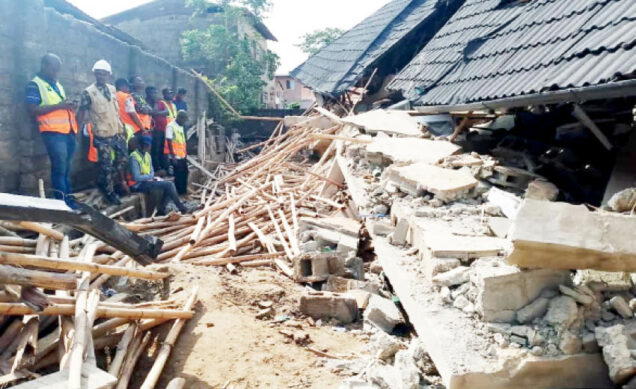
Nigeria's Building Collapse Crisis: Systemic Failures and Proposed Reforms
Translated from English, summarized and contextualized by DistantNews.
At a glance
News
Sources not specified
Context piece
- Nigeria has experienced hundreds of building collapses since 1974, resulting in over 1,600 deaths, with Lagos accounting for more than half of these incidents.
- Systemic failures in material quality, regulation, and enforcement, including the use of substandard materials and unprofessional practices, contribute to the crisis.
- Proposed reforms include extending criminal and civil liability to manufacturers and suppliers, mandatory certification for block producers, and stricter enforcement by regulatory agencies.
Nigeria faces a persistent crisis of building collapses, with grim statistics revealing the scale of the problem. Since 1974, the nation has recorded over 650 collapses, claiming more than 1,600 lives. Lagos, a megacity grappling with rapid urban growth and severe flooding, bears the brunt, accounting for over half of all recorded incidents. Recent years have seen high-profile collapses in the city, each claiming dozens of lives and devastating livelihoods.
The recurring collapses are not isolated tragedies but clear symptoms of deep-seated systemic failures. These failures span the entire construction lifecycle, from the quality of materials used to the effectiveness of regulation and enforcement. A significant issue is the widespread corrosion of standards, particularly in the production of building blocks. Many blocks on the market are made with insufficient cement and poor-quality mortar, resulting in structures that cannot withstand environmental stresses like water ingress or foundation settlement in waterlogged soils.
Compounding the problem of substandard materials are unprofessional construction practices, inadequate site supervision, and a pervasive drive to cut costs. These factors create structures that are inherently unstable, leading to predictable and often catastrophic failures. The situation persists despite the existence of regulatory bodies such as the Standards Organisation of Nigeria (SON), state works ministries, and local councils, which are mandated to oversee building materials and sites.
The core issue lies in the failure of enforcement. Underfunded agencies, inspectors lacking leverage against politically connected developers, and penalties that are too weak to deter misconduct all contribute to the ongoing crisis. Experts suggest that reform must begin with strengthening enforcement mechanisms. Key measures include extending criminal and civil liability to manufacturers and suppliers whose negligence leads to collapses, and legislating penalties substantial enough to act as a deterrent.
Furthermore, the report emphasizes the need for SON to transition from paper-based standards to tangible, street-level enforcement. This includes mandatory certification for block producers, regular market sampling, laboratory testing, and enhanced import checks. Local councils are also urged to license and inspect block-moulding sites, making lists of certified producers public and revoking licenses for repeat offenders. Streamlining approval processes with mandatory on-site inspections at critical construction stages, alongside digital permit platforms, could also increase accountability and reduce corruption.
DistantNews Editorial
Originally published by Vanguard in English. Translated, summarized, and contextualized by our editorial team with added local perspective. Read our editorial standards.
More Stories


From Our Blog

How the Same Story Looks Different in Different Countries

What Gets Lost (and Found) When News Is Translated

The Critical Role of Diaspora Media in Global News

What Travellers Should Know About Countries with Restricted Press

A Digital Nomad's Guide to Following Local News
