


Nigeria's Cassava Boom Needs an Industrial Leap
Translated from English, summarized and contextualized by DistantNews.
At a glance
Analysis
Named sources
Context piece
- Nigeria, the world's largest cassava producer, faces a contradiction where it imports essential industrial derivatives despite its abundant harvest.
- The country needs to shift from raw commodity production to industrialization, similar to Thailand's success in processing and developing cassava products.
- Building industrial capacity requires reliable feedstock, modern infrastructure, efficient logistics, and long-term investment, a gap Nigeria must close to leverage its production advantage.
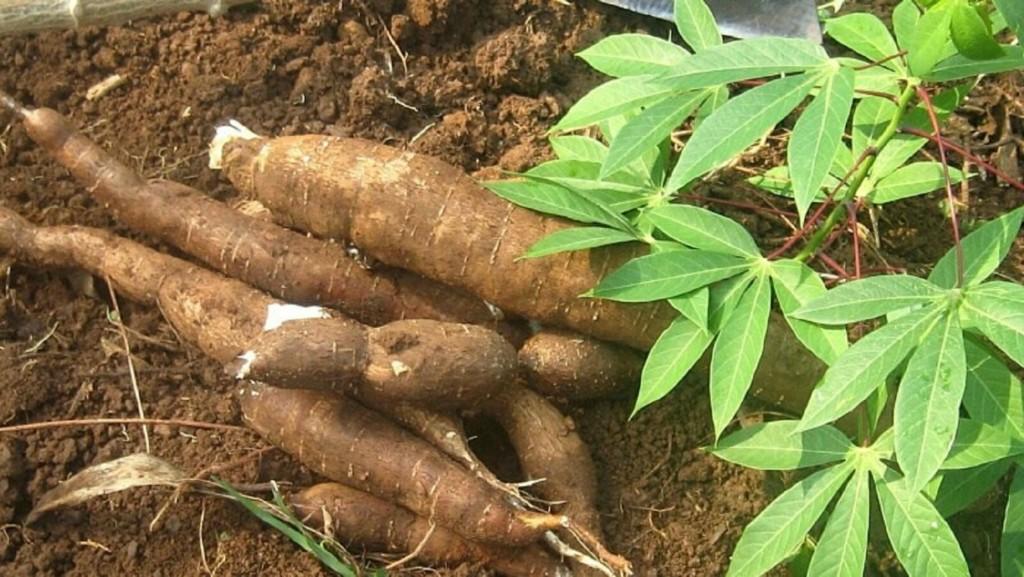
Nigeria holds the title of the world's largest cassava producer, harvesting millions of tons annually. Yet, a significant contradiction persists: the nation continues to import starches, sweeteners, flours, and industrial derivatives crucial for its manufacturers. This paradox raises a critical question as the world marks World Cassava Day 2026: can Nigeria transform its sheer production volume into a genuine industrial advantage?
The real question is whether we can convert our production advantage into industrial advantage.
The path to economic prosperity through agriculture often involves moving beyond raw commodities to build robust industries. Thailand's success in the cassava sector serves as a prime example. Its growth wasn't solely driven by increased cultivation but by substantial investments in processing, product development, accessing export markets, and exploring diverse industrial applications. The core lesson is clear: production generates supply, but industrialization creates lasting value.
For decades, cassava has been a cornerstone of Nigeria's food security and rural economy, supporting millions of farmers and communities. However, only a small fraction of the crop is currently processed into higher-value industrial products that fuel manufacturing growth and economic returns. This is a challenge recognized by industry leaders like Niyi John Olajide, Chairman of Cavista Holdings, who champions the idea that agriculture can be a powerful platform for industrial development when production, processing, and market demand are integrated within a single value chain.
production creates supply, but industrialization creates value.
Cavista Holdings, through its subsidiaries Agbeyewa Farms and Matna Foods, is actively working to strengthen these connections between farms, factories, and markets. They believe sustainable growth emerges when these three components function cohesively. However, industrialization is a complex undertaking. It demands a reliable supply of raw materials, state-of-the-art processing facilities, efficient logistics, stringent quality control systems, access to capital, and sustained long-term investment. It also requires significant coordination among stakeholders who often operate in silos.
agriculture can serve as a platform for industrial development when production, processing and market demand are connected within a single value chain.
Despite these challenges, momentum is building in Nigeria's cassava sector. The primary obstacle now is that industrial demand is not expanding rapidly enough to absorb the vast production capacity. Thousands of farmers seek markets for their cassava, indicating strong production potential. The critical gap Nigeria must bridge is the insufficient industrial processing capacity needed to handle this supply at scale. Closing this gap is essential for Nigeria to fully capitalize on its position as a global leader in cassava production.
The good news is that momentum is building. The challenge is that industrial demand is not expanding fast enough.
DistantNews Editorial
Originally published by Vanguard in English. Translated, summarized, and contextualized by our editorial team with added local perspective. Read our editorial standards.
More Stories



From Our Blog

How the Same Story Looks Different in Different Countries

What Gets Lost (and Found) When News Is Translated

The Critical Role of Diaspora Media in Global News

What Travellers Should Know About Countries with Restricted Press

A Digital Nomad's Guide to Following Local News
