


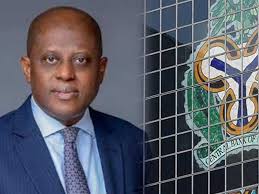
Nigeria's Foreign Reserves Hit 17-Year High at $52.5 Billion
Translated from English, summarized and contextualized by DistantNews.
At a glance
News
Named sources
New plan
- Nigeria's foreign reserves reached a 17-year high of over $52.5 billion as of July 17, 2026.
- The Central Bank of Nigeria (CBN) attributes this growth to renewed investor confidence and sustained capital inflows.
- Reforms under CBN Governor Olayemi Cardoso have reportedly improved macroeconomic stability, eased inflation, and strengthened the naira.
Nigeria's foreign reserves have surged to their highest level in 17 years, surpassing $52.5 billion as of July 17, 2026. This significant increase exceeds the Central Bank of Nigeria's (CBN) annual target and reflects a renewed investor confidence and sustained capital inflows into the nation's economy.
Mrs. Hakama Sidi Ali, Acting Director of Corporate Communications and Investor Relations at the CBN, announced the figures during a CBN Fair in Gombe. She stated that the growth is a result of improved foreign exchange inflows and increased investor participation across various asset classes. This development, she noted, signals growing confidence in Nigeria's economic management and ongoing reform efforts.
According to Sidi Ali, the reforms implemented under the leadership of CBN Governor Mr. Olayemi Cardoso are yielding tangible results. These include enhanced macroeconomic stability, a marginal decrease in headline inflation from 15.93% in May to 15.91% in June 2026, and moderated food and core inflation. These improvements are supported by monetary policy measures, the unification of exchange rates, and increased market transparency.
The growth reflected improved foreign exchange inflows and increased participation by investors across various asset classes. She said the development showed growing confidence in Nigeria’s economic management and ongoing reform efforts.
The CBN spokesperson also highlighted the strengthening of the naira, with the gap between the official and Bureau de Change exchange rates narrowing to below two percent, indicating improved stability in the foreign exchange market. The CBN has also implemented other key reforms over the past 34 months, such as banking sector recapitalization, the launch of the Non-Resident Bank Verification Number (NRBVN), the B-Match foreign exchange trading platform, the Nigeria Payments System Vision 2028, and the introduction of the Nigerian Overnight Financing Rate benchmark.
Reaffirming the bank's commitment, Sidi Ali emphasized that the CBN will continue to prioritize monetary and price stability. The bank aims to attract investment, strengthen financial markets, and support sustainable economic growth through its policies. The CBN Fair serves as an annual platform for public education on the bank's policies and for stakeholders to provide feedback.
The CBN would continue to prioritise monetary and price stability while implementing policies aimed at attracting investment, strengthening financial markets and supporting sustainable economic growth.
DistantNews Editorial
Originally published by Vanguard in English. Translated, summarized, and contextualized by our editorial team with added local perspective. Read our editorial standards.
More Stories


From Our Blog

How the Same Story Looks Different in Different Countries

What Gets Lost (and Found) When News Is Translated

The Critical Role of Diaspora Media in Global News

What Travellers Should Know About Countries with Restricted Press

A Digital Nomad's Guide to Following Local News
