


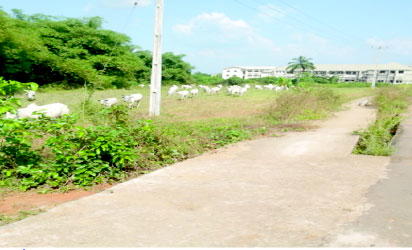
Nigeria's 'grazing reserves' policy decried as 'land grabbing'
Translated from English, summarized and contextualized by DistantNews.
At a glance
News
Sources not specified
Context piece
- Nigeria's Federal Government is renewing efforts to implement a policy establishing 470 gazetted "grazing reserves" to end open grazing.
- The policy has faced significant controversy, failed to gain public trust, and proven difficult to implement in the past.
- Critics argue that the grazing reserves initiative is a form of "land grabbing" that disadvantages herders and potentially fuels conflict.
The Nigerian Federal Government's renewed push to activate 470 gazetted "grazing reserves" and end open grazing has reignited fierce controversy, according to Vanguard News. This policy, intended to modernize cattle herding, has a history of public distrust and implementation challenges.
For years, Nigerians have been told that open grazing is unsustainable and that designated grazing reserves are the solution. However, critics argue that the concept of "grazing reserves" is a misnomer and amounts to "land grabbing." They contend that these reserves often involve the seizure of ancestral lands from communities, particularly impacting herders who rely on open lands for their livestock.
The policy's past failures are attributed to a lack of public confidence and the practical difficulties in establishing and managing these reserves effectively. Concerns have been raised about the fairness of the land allocation process and the potential for increased conflict between farming communities and herders if access to traditional grazing lands is restricted.
The renewed focus on grazing reserves comes at a time of heightened tensions surrounding land use and resource allocation in Nigeria. The government's insistence on this policy, despite its contentious past, suggests a determination to reshape the country's agricultural landscape, though the deep-seated opposition indicates a long road ahead for its implementation.
DistantNews Editorial
Originally published by Vanguard in English. Translated, summarized, and contextualized by our editorial team with added local perspective. Read our editorial standards.
More Stories


From Our Blog

How the Same Story Looks Different in Different Countries

What Gets Lost (and Found) When News Is Translated

The Critical Role of Diaspora Media in Global News

What Travellers Should Know About Countries with Restricted Press

A Digital Nomad's Guide to Following Local News
