

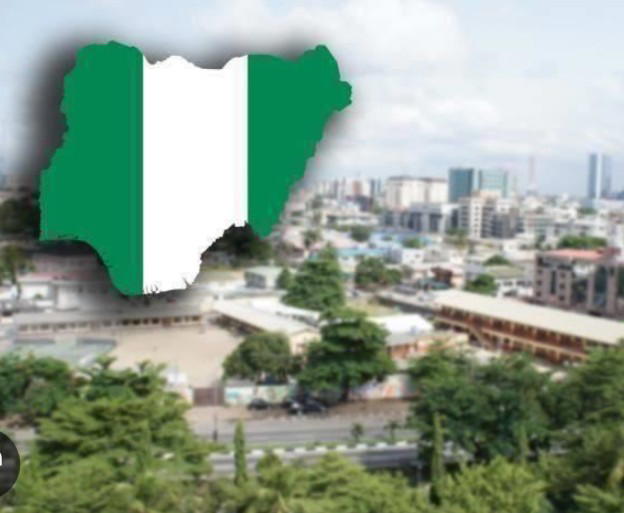

Nigeria's Housing Emergency: When Shelter Becomes a Luxury
Translated from English, summarized and contextualized by DistantNews.
At a glance
In-depth
Named sources
Context piece
- Nigeria faces a severe housing crisis, with soaring rents pushing millions into precarious living situations.
- Many households now spend 40-70% of their income on accommodation, far exceeding the UN's 30% affordability benchmark.
- Workers are resorting to sleeping in offices, vehicles, and unfinished buildings due to unaffordable housing and commuting costs.
Nigeria's housing crisis has escalated into a full-blown social and economic emergency, forcing millions to make heartbreaking compromises to secure shelter.
Across major urban centers like Lagos, Abuja, and Port Harcourt, rents have surged dramatically. Apartments that cost less than a million naira annually just three years ago now command millions, pushing many households to spend between 40 and 70 percent of their income on housing. This figure significantly exceeds the United Nations' affordability benchmark of 30 percent.
The crisis disproportionately affects low-income workers. For those earning the national minimum wage of 70,000 naira monthly, annual earnings of 840,000 naira barely cover the cost of a modest apartment, leaving little for other essential expenses like food, healthcare, and education.
As a result, Nigerians are making extreme sacrifices. Some relocate to distant suburbs, enduring long commutes. Others share overcrowded rooms with multiple families. Alarmingly, an increasing number of workers are sleeping in their offices, workshops, vehicles, and even unfinished buildings because the cost of commuting has become prohibitive. University lecturers, once considered comfortably middle-class, are reportedly among those resorting to sleeping in their offices.
university lecturers, once considered comfortably middle-class professionals, are now reportedly sleeping in their offices due to soaring rents and transportation costs.
DistantNews Editorial
Originally published by ThisDay in English. Translated, summarized, and contextualized by our editorial team with added local perspective. Read our editorial standards.
More Stories



From Our Blog

How the Same Story Looks Different in Different Countries

What Gets Lost (and Found) When News Is Translated

The Critical Role of Diaspora Media in Global News

What Travellers Should Know About Countries with Restricted Press

A Digital Nomad's Guide to Following Local News
