


Nigeria, South Africa hold tense meeting over xenophobic protests
Summarized and contextualized by DistantNews.
At a glance
News
From a news agency
Context piece
- Nigerian and South African diplomats met in Abuja to address ongoing xenophobic attacks against foreigners in South Africa.
- Nigeria accused South Africa of complicity, citing attacks on Nigerians with legitimate papers and perceived police inaction.
- South Africa defended its actions, citing criminality by immigrants and its right to manage irregular migration.
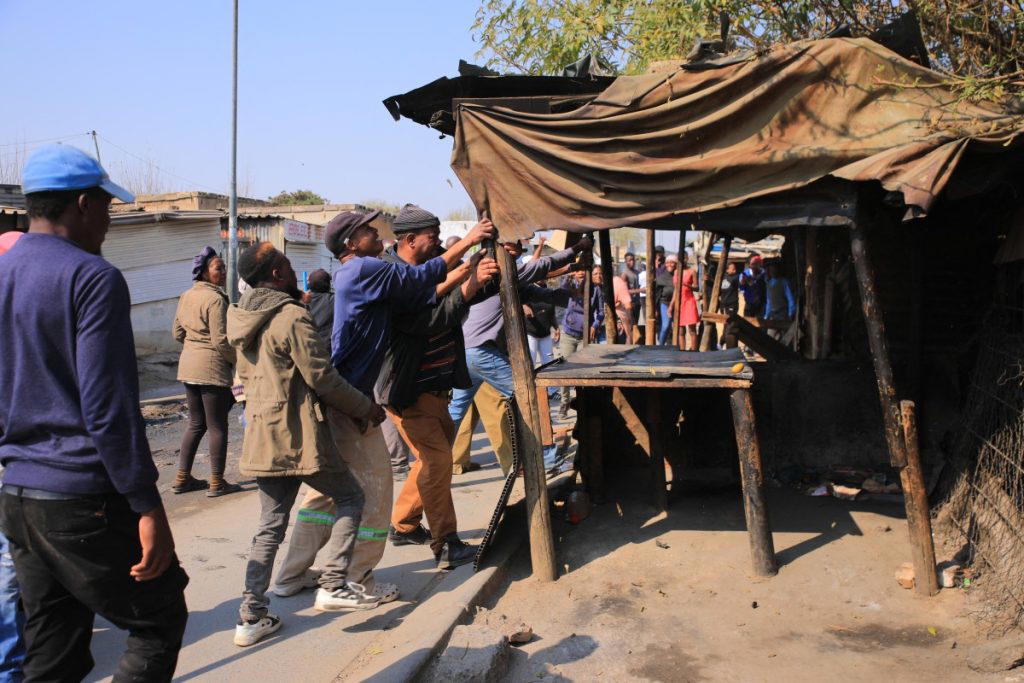
Nigerian and South African diplomats convened in Abuja for a tense meeting aimed at resolving the ongoing xenophobic attacks targeting foreigners within South Africa. Despite initial pleasantries, significant differences emerged regarding the handling of the protests, which demonstrators have linked to crime, unemployment, and strained public services.
We have records of Nigerians who have legitimate papers to remain in South Africa, yet they have been attacked.
Nigeria's junior minister for foreign affairs, Sola Enikanolaiye, voiced strong criticism, stating, "We have records of Nigerians who have legitimate papers to remain in South Africa, yet they have been attacked." He further expressed concern over observed "mob actions in which we saw the police watching, as if they are helpless to address this situation," accusing Pretoria of "complicity."
And we could see some mob actions in which we saw the police watching, as if they are helpless to address this situation.
South Africa's delegation, led by Minister for International Relations Ronald Lamola, countered by highlighting issues of "criminality" attributed to immigrants, including drug peddling and wire fraud. Lamola asserted the country's right to "deal decisively with irregular migration, undocumented immigrants, including acts of criminality," while also stating that President Cyril Ramaphosa "has been outspoken against any intolerance."
President (Cyril) Ramaphosa and the government he leads have been outspoken against any intolerance.
Analysts suggest that South Africa, despite being one of the continent's most industrialized economies and a magnet for immigrants, grapples with high unemployment, weak social services, and crime. Immigrants are frequently scapegoated for these broader societal failures. The protests have led to violence, with at least four foreign nationals reported killed in attacks linked to the anti-migrant sentiment, according to South African police. However, some African governments repatriating their citizens report a higher death toll. An AFP tally indicates over 160,000 people have fled South Africa, including approximately 1,500 Nigerians.
deal decisively with irregular migration, undocumented immigrants, including acts of criminality.
DistantNews Editorial
Originally published by Vanguard. Summarized and contextualized by our editorial team with added local perspective. Read our editorial standards.
More Stories


From Our Blog

How the Same Story Looks Different in Different Countries

What Gets Lost (and Found) When News Is Translated

The Critical Role of Diaspora Media in Global News

What Travellers Should Know About Countries with Restricted Press

A Digital Nomad's Guide to Following Local News
