

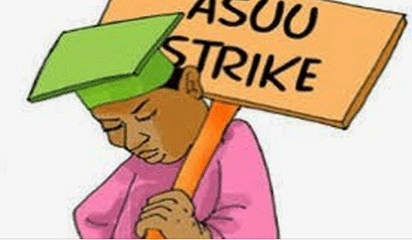

Nigerian Group Criticizes Atiku's Fuel Subsidy Promise, Citing Economic Risks
Translated from English, summarized and contextualized by DistantNews.
At a glance
News
Sources not specified
Context piece
- The National Association of Nigerian Students (NANS) has voiced strong opposition to Atiku Abubakar's pledge to reintroduce fuel subsidies.
- NANS argues that reinstating subsidies would lead to a severe economic crisis, diverting funds from essential public services.
- The student group urges Nigerians to question the allocation of past subsidy funds and consider alternative investments in infrastructure, healthcare, and education.
The National Association of Nigerian Students (NANS) has sharply criticized a promise made by presidential candidate Atiku Abubakar to reinstate fuel subsidies, warning that such a policy would plunge Nigeria back into an economic crisis. NANS contends that the trillions of naira previously spent on fuel subsidies could have been more effectively utilized for critical national development.
In a statement, NANS highlighted that the crucial question for Nigerians is whether the substantial funds allocated to petrol subsidies could have been better invested in vital sectors such as infrastructure, healthcare, and education. The student body argues that the focus should be on developing these areas rather than perpetuating a subsidy regime that they believe is economically unsustainable and detrimental to long-term growth.
NANS's stance reflects a growing debate within Nigeria about the efficacy and cost of fuel subsidies. While subsidies have historically been popular for keeping fuel prices low for consumers, economists and policymakers increasingly point to their significant fiscal burden and potential for corruption. The association's criticism suggests a desire for a more transparent and development-oriented approach to resource allocation.
The group's opposition to Abubakar's promise underscores the complex economic challenges facing Nigeria. The call to prioritize infrastructure, healthcare, and education over subsidies signals a push for policies that foster sustainable development and improve the quality of life for all citizens, rather than providing short-term relief that may exacerbate long-term economic instability.
DistantNews Editorial
Originally published by Vanguard in English. Translated, summarized, and contextualized by our editorial team with added local perspective. Read our editorial standards.
More Stories


From Our Blog

How the Same Story Looks Different in Different Countries

What Gets Lost (and Found) When News Is Translated

The Critical Role of Diaspora Media in Global News

What Travellers Should Know About Countries with Restricted Press

A Digital Nomad's Guide to Following Local News
